
Cosmetics & Skincare Insights

Industry news, formulation innovations, and contract manufacturing guides.

Formulation & Color Trends

Custom lipstick, skincare, and color cosmetic formulation trends.

Technology & Innovation

State-of-the-art automation and cGMP production standards.

Custom Molds & Tooling

Proprietary packaging and tooling solutions for beauty brands.

Turnkey Beauty Solutions

Full-service manufacturing from concept to retail packaging.

0%

Choosing the top color cosmetics contract manufacturers requires more than comparing glossy websites or impressive client lists. Color Cosmetics Contract Manufacturing involves formulation, shade development, filling, packaging, testing, and consistent quality control. Each stage can affect the final product in a visible way.

A reliable manufacturer should demonstrate practical experience with foundations, lip products, mascaras, blushes, and other complex formats. Look for documented quality systems, trained technical teams, modern production equipment, and clear communication from sampling to commercial launch. Facility audits, production records, stability data, and batch controls can reveal more than promotional claims. Small details matter. A clean filling line matters.

This guide examines manufacturers through capabilities, certifications, minimum order quantities, innovation support, customization, and supply-chain reliability. It also considers how well each partner supports color matching, texture refinement, packaging compatibility, and scale-up production. However, “top” is not an absolute label. The best supplier for a luxury cream blush may not suit a fast-moving lip gloss brand. That distinction deserves attention.

Information can change as factories expand, certifications expire, or service models evolve. Readers should verify current credentials, conduct appropriate due diligence, and request samples before making decisions. Some manufacturers may appear highly capable yet provide limited support after launch. Others may seem less visible but offer stronger technical collaboration. A careful comparison helps brands choose a partner that balances creativity, compliance, consistency, and commercial practicality.
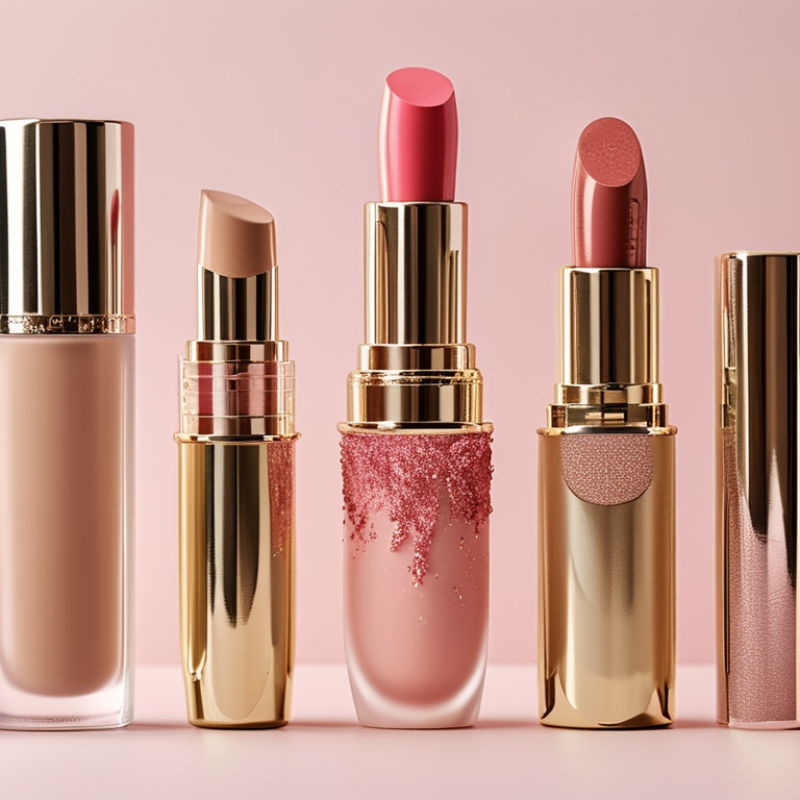
What Are the Top Color Cosmetics Contract Manufacturers?

Global Color Cosmetics Market: $84.9B in 2023 and 5.1% CAGR

The global color cosmetics market reached $84.9 billion in 2023 and is projected to grow at a 5.1% CAGR. This expansion is reshaping how beauty companies choose contract manufacturers. The strongest partners do more than fill lipstick tubes. They translate a shade brief into stable, compliant, and repeatable production.

Top color cosmetics contract manufacturers usually combine formulation laboratories, pilot batches, packaging coordination, and quality systems. Their teams test pigment dispersion, texture, odor, microbial stability, and heat tolerance. A foundation sample may undergo temperature cycles before approval. An eyeshadow must retain its color after repeated opening and closing. These details reveal manufacturing maturity better than a polished sales presentation. Regulatory support matters too, especially when products cross borders. Documentation should include ingredient specifications, batch records, safety assessments, and traceability controls.

The 5.1% growth forecast creates opportunity, but it also exposes weak planning. Fast demand can strain filling lines, shade inventory, and lead times. Ask manufacturers about minimum order quantities, scale-up experience, rejected batches, and corrective actions. Honest answers are valuable.

Not every supplier needs the largest factory. Some companies need flexible runs and close development support. A practical audit should inspect mixing rooms, sampling procedures, retained batches, and shipment records. My assessment would not rely on one successful sample. Consistency across several production cycles is harder proof, and many evaluations still overlook it.

What Defines a Top Manufacturer? GMP, ISO 22716, and MoCRA Compliance

What Are the Top Color Cosmetics Contract Manufacturers?

What Defines a Top Manufacturer? GMP, ISO 22716, and MoCRA Compliance

A top color cosmetics contract manufacturer operates with control, not just attractive samples. GMP should guide every stage, from weighing pigments to sealing finished units. Clean rooms, calibrated scales, controlled water systems, and trained operators provide visible evidence. Records should show who handled each batch and when.

ISO 22716 strengthens this discipline through documented production, quality control, storage, sanitation, and complaint procedures. During an assessment, ask to review anonymized batch records, deviation reports, and corrective actions. Strong manufacturers can explain a failed viscosity test without hiding behind polished presentations. That matters.

MoCRA adds important United States requirements for applicable cosmetic operations. A reliable partner should understand facility registration, product listing, serious adverse event reporting, safety substantiation, and inspection readiness. It should also maintain accessible records for ingredients, specifications, testing, and distribution. The details can be uncomfortable. Ask anyway.

No quality system is flawless. That is worth admitting. A manufacturer’s response to an error often reveals more than a perfect audit. Look for root-cause analysis, documented decisions, timely communication, and verified corrective actions. One overlooked handoff can affect an entire color batch. A top partner notices that risk early, challenges unclear specifications, and keeps evidence available long after production ends.

Leading Global Manufacturers: Intercos, COSMAX, Kolmar Korea, and Chromavis

Selecting a color cosmetics contract manufacturer requires more than comparing product catalogs. Leading global suppliers typically combine formulation laboratories, pilot production lines, and international quality systems. Two established Italian manufacturers are known for creative color development, complex textures, and fast shade exploration. Their teams often test foundations under different lighting, skin tones, and application methods before approving a sample.

Two major Korean manufacturers bring strong manufacturing discipline and extensive formulation experience. They commonly support cushion products, lip colors, eye makeup, and skincare hybrids. Their laboratories may assess viscosity, pigment dispersion, microbial safety, packaging compatibility, and stability at varied temperatures. These checks matter when a formula travels from a warm warehouse to a cold delivery truck.

In supplier evaluations, I look for documented GMP procedures, traceable raw materials, batch records, and clear corrective actions. Technical communication also matters. A supplier that explains a failed shade match is more reliable than one promising instant perfection. No manufacturer is flawless. Small delays can expose weak planning, while overly polished presentations can hide limited scale-up experience. A practical audit should compare laboratory samples with factory output, not just review attractive prototypes. Product developers should also examine minimum order quantities, filling accuracy, color consistency, and support after launch. Clear evidence builds trust.

Color Cosmetics Contract Manufacturing: Market Mix Context

The category mix below illustrates the demand environment surrounding global beauty contract manufacturing, with decorative cosmetics representing a meaningful share of the European cosmetics market.

Decorative cosmetics accounted for approximately 14.3% of European cosmetics retail sales in 2023. Skincare and toiletries represented the largest category shares, while color cosmetics remained an important area for formulation, filling, and packaging services.

Source: Cosmetics Europe, Market Performance 2023. Values show category shares of European cosmetics retail sales.

How to Compare Capacity, R&D Sites, MOQs, and 2023 Revenue

Comparing color cosmetics contract manufacturers requires more than a polished facility tour. McKinsey estimated the global beauty market at about $450 billion in 2023, increasing pressure on suppliers to scale quickly. Capacity should be measured in finished units, filling lines, shift patterns, and validated production time. Ask for monthly output by format, not one impressive annual figure. A factory producing liquid foundation may not handle pressed powder efficiently.

R&D depth is equally important. Review the number of formulation laboratories, pilot batches, stability chambers, and shade-development specialists. Multiple R&D sites can reduce regional supply risks and support different regulatory requirements. Still, more laboratories do not guarantee better work. Request anonymized development timelines, sample records, and failure rates. The last point is often overlooked.

Minimum order quantities can expose a supplier’s real flexibility. A low MOQ may apply only to stock packaging or standard formulas. Confirm separate thresholds for formula development, pigment purchasing, filling, and artwork. Revenue adds useful context, but it should not decide the shortlist. Compare 2023 reported revenue with cosmetic-related revenue, manufacturing utilization, capital investment, and customer concentration. Circana reported strong 2023 growth in color cosmetics, especially prestige segments, yet demand can change faster than factory plans. I would also question unusually high capacity claims. Public data is rarely perfectly comparable, and that limitation deserves attention before signing a long-term agreement.

Choosing Partners for Sustainability, Speed, Innovation, and Market Fit

What Are the Top Color Cosmetics Contract Manufacturers?

Choosing a color cosmetics contract manufacturer requires more than comparing unit prices. The strongest partners combine sustainability, speed, innovation, and market fit. During factory evaluations, ask to see production areas, batch records, and quality checkpoints. Clean filling lines and traceable raw materials reveal more than polished presentations. Experience with pigments, waxes, emulsions, and sensitive shades also matters. A reliable manufacturer should explain testing timelines clearly. Vague answers can create costly delays later.

Tips: Request small pilot batches before approving full production. Review stability data, shade consistency, packaging compatibility, and documented quality procedures. Ask how the factory reduces water use, manages waste, and sources responsibly. Sustainability claims need measurable evidence. Speed is useful, but rushed approvals can increase defects. I have seen attractive samples fail after packaging changes, so fit testing should never be skipped.

Innovation should solve a real consumer problem, not simply follow a trend. Look for teams that can adjust texture, payoff, wear, and application without losing safety or consistency. Market fit depends on regional preferences, climate, price positioning, and required documentation. A manufacturer may excel technically but still misunderstand your target customer. That mismatch is easy to overlook. Check communication habits, minimum order quantities, scale-up capacity, and corrective-action processes before signing. The best partnership often feels practical, transparent, and slightly less glamorous than expected.

FAQS

What should define a top color cosmetics contract manufacturer?

Reliable control matters more than attractive samples. GMP should guide weighing, mixing, filling, and sealing. Clean rooms and calibrated scales provide visible evidence. Records should identify handlers and batch dates.

How can a buyer evaluate a manufacturer’s quality system?

Request anonymized batch records, deviation reports, and corrective actions. Ask how the factory handled a failed viscosity test. Clear answers matter. Polished presentations are not enough.

Why are documented procedures important?

Documentation supports production, sanitation, storage, testing, and complaint handling. It also helps trace materials and decisions. A missing signature can create confusion later. That risk is easy to underestimate.

What United States compliance support should a manufacturer provide?

The manufacturer should understand applicable facility registration and product listing duties. It should support safety substantiation and serious-event reporting processes. Inspection readiness also matters. Records should remain accessible.

Should buyers request pilot batches before full production?

Yes, small pilot batches can expose problems early. Review stability, shade consistency, and packaging compatibility. A sample may look perfect. Packaging changes can still cause failure.

How should sustainability claims be assessed?

Ask for measurable evidence about water use, waste handling, and responsible sourcing. General promises are weak evidence. Look for records, targets, and practical improvements. Progress may be incomplete.

What should innovation mean in color cosmetics manufacturing?

Innovation should solve a real consumer problem. Teams may adjust texture, payoff, wear, or application. Safety and consistency must remain stable. Trends alone are not enough.

How can a manufacturer prove strong market fit?

Discuss regional preferences, climate, price positioning, documentation, and customer expectations. Check communication habits and minimum order quantities. Confirm scale-up capacity before signing. Technical skill does not guarantee market understanding.

How should a manufacturer respond when production errors occur?

Look for root-cause analysis, documented decisions, timely communication, and verified corrective actions. No quality system is flawless. The response reveals more than a perfect audit. One overlooked handoff can affect an entire color batch.

Conclusion

Color Cosmetics Contract Manufacturing is a major growth engine in the beauty industry, supported by a global market valued at approximately $84.9 billion in 2023 and projected to expand at a 5.1% CAGR. This article explains what distinguishes top manufacturers, including strong quality systems, GMP practices, ISO 22716 alignment, and compliance with applicable regulations such as MoCRA. It also highlights how established global suppliers support product development, formulation, packaging, and large-scale production across multiple color categories.

When comparing potential partners, brands should assess manufacturing capacity, geographic reach, research and development facilities, minimum order quantities, production flexibility, and recent revenue performance. The best supplier is not always the largest; suitability depends on a company’s sustainability goals, speed-to-market requirements, innovation needs, target consumer, and regional market strategy. A careful evaluation of technical expertise, communication, quality control, and long-term scalability can help businesses select a reliable partner capable of turning concepts into consistent, compliant, and market-ready cosmetic products.

Ethan Caldwell

Ethan Caldwell

Ethan Caldwell is a professional marketing specialist and a trusted voice behind the company’s educational blog. With a strong understanding of the company’s products, customer needs, and evolving market trends, Ethan transforms complex information into clear, practical, and engaging insights for......