1. Executive Industry Insight: The Paradigm Shift in Eco-Friendly Cosmetics Packaging
The global cosmetics ecosystem is undergoing its most profound structural transformation in over four decades. Driven by stringent global legislation—such as the European Union’s Packaging and Packaging Waste Regulation (PPWR) and California’s Senate Bill 54—alongside shifts in buyer behavior, sustainable packaging is no longer a secondary brand attribute or marketing fluff. It is a baseline operational imperative for modern procurement teams, beauty founders, and enterprise cosmetic conglomerates worldwide.
Historically, transitioning to eco-friendly cosmetics packaging meant compromising on tactile luxury, mechanical performance, or formula stability. Standard bio-resins often resulted in plasticizer migration, structural stress cracking, or degraded barrier properties that shortened product shelf life. Today, through breakthroughs in chemical recycling, advanced mono-material engineering, and turnkey manufacturing integration, cosmetic brands can achieve zero-compromise sustainability.
At Classic Cosmetics Inc., drawing upon more than 35 years of contract manufacturing leadership at our ISO 22716-certified Chatsworth, California facility, we bridge the complex gap between innovative eco-packaging materials and formulation integrity. This comprehensive intelligence report provides actionable, technical, and strategic guidance for B2B buyers seeking to navigate eco-friendly cosmetic packaging procurement with complete confidence.
E-E-A-T Sourcing Rule #1: Formula-Container Compatibility First
Never select sustainable primary packaging based solely on aesthetic appeal or eco-credentials. High-performance active skincare and volatile color cosmetic formulas require rigorous compatibility, seal-integrity, and migration testing. A container that degrades, warps, or leaches active ingredients invalidates all sustainability gains.
2. Enterprise Recommendations: Next-Generation Eco-Friendly Cosmetics Packaging Systems
Selecting the optimal eco-friendly cosmetics packaging format requires balancing carbon footprint reduction, consumer usability, and brand positioning. Below is a curated analysis of primary packaging categories engineered for high-performance color cosmetics and advanced skincare lines.
1. High-Purity Post-Consumer Recycled (PCR) Containers
Post-Consumer Recycled (PCR) plastics—specifically rPET, rPP, and rHDPE—divert existing plastic waste from landfills and ocean streams into premium beauty components. Modern processing achieves up to 100% PCR content while maintaining crystal clarity and structural rigidity.
- Best Suited For: Foundation bottles, cream jars, lipstick sleeves, and lotion pumps.
- Sustainability Impact: Up to 75% reduction in carbon emissions compared to virgin fossil-fuel resins.
- Engineering Note: Requires precise masterbatch color matching to overcome slight baseline tinting inherent in recycled feedstocks.
2. Mono-Material Recyclable Mechanical Systems
Traditional cosmetics packaging frequently blends multiple materials (e.g., metal springs, rubber gaskets, mixed resins), rendering them impossible to process in municipal recycling streams. Mono-material packaging utilizes a single polymer family (such as 100% Polypropylene) across all components.
- Best Suited For: Airless pump bottles, eyeshadow compacts, mascara wands, and lipstick tubes.
- Sustainability Impact: Direct alignment with standard curbside recycling streams (RIC 5 PP).
- Engineering Note: Mechanical springs are replaced with engineered all-PP plastic tension bellows.
3. Modular Refillable & Reusable Cartridge Systems
Refillable architecture drastically reduces long-term packaging mass by separating a durable, high-luxe outer casing (made from aluminum, heavy-wall glass, or wood) from a lightweight, replaceable inner pod or cartridge.
- Best Suited For: Luxury creamy lipsticks, satin lip balms, compact powders, and rich facial moisturizers.
- Sustainability Impact: Decreases packaging material consumption by up to 70% per consumer refill cycle.
- Engineering Note: Key lock mechanism must ensure smooth insertion while maintaining air-tight seal integrity for active ingredients.
4. Bio-Based & PHA/PLA Compostable Polymers
Derived from non-food agricultural biomass, sugarcane bagasse, or microbial fermentation (Polyhydroxyalkanoates - PHA), these advanced bio-polymers offer industrial or home-compostable end-of-life pathways without relying on petrochemical reserves.
- Best Suited For: Single-use facial masks, unit-dose sachets, secondary caps, and lip balm tubes.
- Sustainability Impact: Net-zero renewable resource harvesting and reduced microplastic persistence.
- Engineering Note: Moisture barrier properties must be calibrated against formula water-activity levels.
3. Future Sourcing & Procurement Trends (2026–2030)
The global beauty supply chain is shifting from basic eco-friendly claims toward rigorous carbon accounting and lifecycle assessment (LCA). Buyers looking to future-proof their brand must align with four macro trends currently restructuring procurement priorities:
1. Digital Product Passports (DPP) & Material Traceability: Upcoming European standards will demand QR-code-accessible structural transparency for primary packaging. Buyers are prioritizing partners who provide verified batch-level certification for PCR content sources.
2. Mass Reduction & Wall-Thinning: Advanced injection mold engineering allows manufacturers to produce sleek, durable packaging using 20% to 30% less total plastic material by mass without sacrificing drop-test performance or tactile feel.
3. Elimination of Metallized Coatings & Vinyl Labels: Decorative processes like heavy electroplating hinder automated sorting at recycling facilities. Emerging trends favor direct-to-object UV-cured bio-inks, laser etching, and water-soluble wash-off labels.
4. Product & Technological Development Trends in Sustainable Packaging
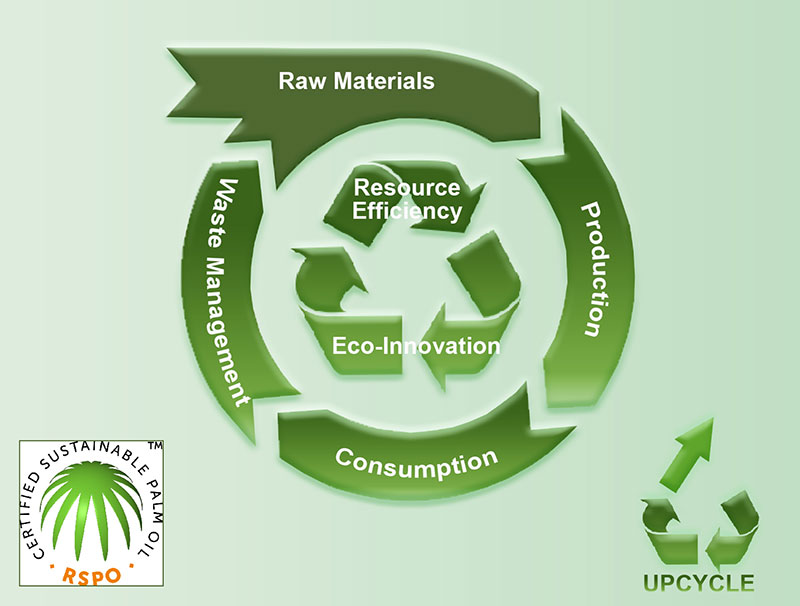
From an engineering perspective, developing eco-friendly cosmetics packaging requires solving complex physical and chemical challenges. Recent technological breakthroughs are expanding what is possible for clean beauty brands:
Advanced Barrier Coatings
Plasma-deposited silica (SiOx) and high-barrier fluorination alternatives applied to post-consumer resins prevent volatile oil evaporation and oxidation in clean formula foundations and liquid lipsticks.
Precision Tooling & Custom Dies
High-precision custom press dies and mold tooling allow seamless molding of complex PCR geometries, ensuring zero structural wobble or seal leakage during automated high-speed filling operations.
Alu-Free Airless Dispensing
100% plastic airless pump engines eliminate metal springs altogether, guaranteeing chemical inertness with sensitive vitamin C, retinol, and organic skincare formulations.
5. Enterprise Advantage: Why Classic Cosmetics Inc. Is the Premier Turnkey Partner
Navigating the transition to sustainable packaging requires an experienced manufacturing partner capable of managing the entire product lifecycle under one roof. Founded in 1988 in Chatsworth, California, Classic Cosmetics Inc. brings over 35 years of specialized expertise in custom cosmetics contract manufacturing and turnkey packaging execution.
Unrivaled Turnkey Integration & Quality Control
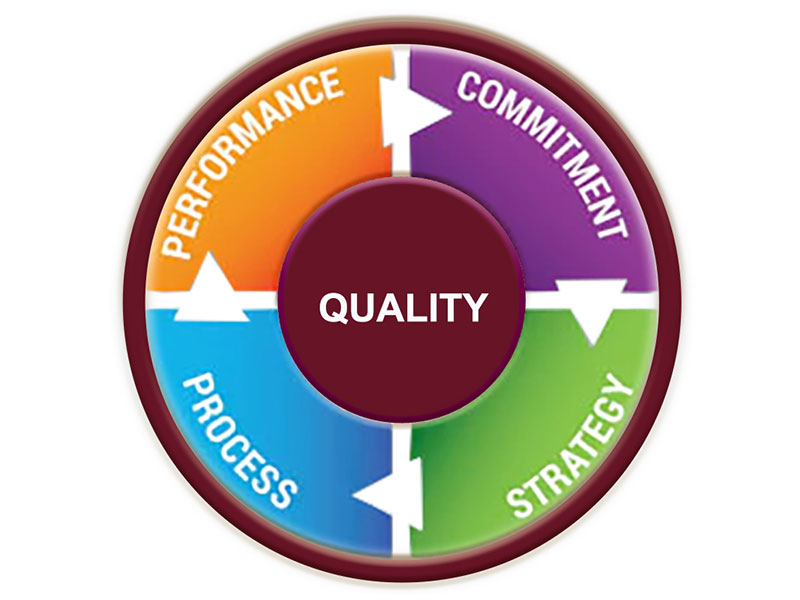
Managing separate packaging suppliers, chemical raw material vendors, and contract fillers introduces significant friction, extended lead times, and quality disputes when packaging defects arise. Classic Cosmetics eliminates these risks through complete turnkey integration.
Our ISO 22716 cGMP-certified California facility houses R&D formulation laboratories, custom tooling capabilities, precision filling lines, and rigorous in-house quality assurance teams. We rigorously test eco-packaging materials against custom formulations in real-world thermal stress chambers, ensuring complete product stability prior to commercial scaling.
Sustainability Credentials & Ethical Supply Chain
Classic Cosmetics is proud to be a certified Supply Chain Partner of the Roundtable on Sustainable Palm Oil (RSPO) and an audited global supply chain partner for leading international beauty brands, DTC labels, and influencer cosmetic lines. We maintain a 100% cruelty-free commitment across all color cosmetic and skincare manufacturing.
Whether your brand strategy demands 100% PCR components, custom press dies for unique bullet lipsticks, or refillable compact assemblies, our engineering specialists optimize every component for production efficiency, regulatory compliance, and eco-performance.
6. B2B Sourcing FAQ: Frequently Asked Procurement Questions
To assist brand executives, packaging engineers, and procurement directors, we have compiled comprehensive answers to the most frequent queries regarding eco-friendly cosmetic packaging sourcing and manufacturing:
Post-Consumer Recycled (PCR) resins can display micro-porosity, batch-to-batch viscosity variances during molding, and potential residual volatile organic compounds (VOCs). If paired with active skincare formulas, essential oils, or anhydrous liquid lipsticks, unpassivated PCR may absorb lipophilic ingredients or cause container swelling/cracking. To overcome this, Classic Cosmetics conducts rigorous compatibility testing—including 45°C thermal accelerated aging, freeze-thaw cycles, and mass-loss testing—ensuring your specific formula remains perfectly stable within the chosen PCR resin vessel.
Stock eco-friendly packaging (such as standard PCR bottles or stock refillable compacts) typically carries lower MOQs ranging from 5,000 to 10,000 units, making it ideal for fast-to-market indie brands or line expansions. In contrast, custom-molded packaging—which requires custom press dies, steel tooling, and dedicated automation setups—usually requires MOQs starting at 25,000 to 50,000 units. Classic Cosmetics works with clients across both spectrums, utilizing our in-house engineering and tooling expertise to streamline custom mold development.
B2B buyers should request third-party verified certifications including ISO 22716:2007 (Cosmetic cGMP Compliance), RSPO Supply Chain Certification (for sustainable palm derivatives), and official PCR Certificate of Conformance verifying material origin (e.g., EuCertPlast or FDA letters of non-objection for food-grade recycled resins). Additionally, audit evidence verifying cruelty-free compliance and REACH / Prop 65 heavy metal compliance is essential for North American and European retail distribution.
Traditional cosmetic packaging mixes polypropylene, ABS plastic, aluminum rivets, and stainless-steel springs. Because MRFs (Material Recovery Facilities) cannot economically disassemble small multi-material components, these items are automatically routed to landfills. Mono-material packaging utilizes 100% Polypropylene (PP) or Polyethylene (PE) for the cap, bottle, pump engine, and stem. This allows the consumer to toss the entire empty container directly into standard curbside recycling bins without disassembly.
Historically, high-grade PCR carried a 15% to 30% price premium over virgin petrochemical resins due to sorting, washing, and re-pelletization processing costs. However, as global recycling infrastructure matures and virgin plastic taxes take effect across Europe, the cost parity gap has narrowed significantly. Today, high-purity PCR packaging typically commands a nominal 5% to 12% premium depending on percentage blend, component volume, and decoration complexity.
Regulations mandate strict targets for post-consumer recycled content, recyclability-by-design, and Extended Producer Responsibility (EPR) fee structures. By 2030, packaging that cannot be effectively recycled in target markets will face prohibitive tax surcharges or outright market bans. Partnering with a turnkey US contract manufacturer like Classic Cosmetics ensures your packaging specs comply with emerging state and international legislative standards, shielding your brand from supply disruption.
Yes. Luxury tactile weight can be achieved by utilizing heavy-wall recyclable glass, dense mono-material PP, or weighted removable inner cartridges. Metallic visual effects can be accomplished through clean aluminum casing, physical vapor deposition (PVD), or bio-ink silk screening, avoiding unrecyclable heavy electroplating while retaining a premium hand-feel.