
Blog
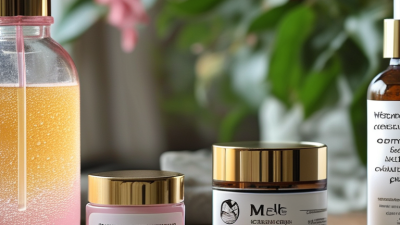
What Is Custom Skincare Manufacturing?
Custom Skincare Manufacturing turns a product idea into a tested, repeatable formula. It connects brand strategy, cosmetic science, sourcing, filling, packaging, and quality control. The process may begin with a simple brief: dry skin, a lightweight cream, and a 50-milliliter airless pump. Then, chemists examine ingredients, texture, stability, preservation, and production limits.
The opportunity is substantial. McKinsey estimates that the global beauty market could reach about $580 billion by 2027. Its research also identifies skincare as the largest beauty category, representing roughly 40% of the market. Grand View Research reported that the global cosmetics market reached approximately $393.75 billion in 2024. These figures suggest strong demand, but they do not guarantee success for every customized formula.
Cosmetic chemist Perry Romanowski has stated, “There is no such thing as a miracle ingredient.” That reminder matters. A personalized serum still needs evidence, safe use instructions, compatible packaging, and reliable batch performance. Stability testing cannot be replaced by attractive branding. A questionnaire cannot fully reproduce professional skin evaluation.
Custom Skincare Manufacturing can reduce development barriers for emerging brands. It can also expose weak decisions quickly. A formula may feel elegant in the lab, yet separate after transport. A popular botanical may create sourcing or preservation challenges. The strongest manufacturers therefore combine creativity with documented testing, transparent communication, and realistic claims. Some personalization promises remain thinner than their labels suggest. That deserves closer examination.
Read more »
 By:Amelia
- September 11, 2026
By:Amelia
- September 11, 2026
How to Choose a Turnkey Cosmetics Manufacturer?
Choosing a turnkey cosmetics manufacturer can shape your product’s quality, launch speed, and long-term reputation. A capable partner may manage formulation, testing, packaging, production, and fulfillment under one coordinated process. This convenience matters, especially when your team lacks laboratory staff or supply-chain experience. However, a polished website does not prove operational excellence. Claims need proof. Look for documented experience with products similar to yours, such as facial serums, shampoos, or mineral sunscreens.
Turnkey Cosmetics Manufacturing requires more than selecting a supplier with attractive samples. Ask how the manufacturer qualifies raw-material vendors and controls batch consistency. Review stability data, product specifications, certificates of analysis, and packaging compatibility results. Confirm whether its facilities follow recognized cosmetic GMP practices, such as ISO 22716, where appropriate. The manufacturer should also explain how it supports safety assessments, labeling reviews, traceability, and market-specific requirements. These details reveal professional competence. They also expose weak processes early.
A practical evaluation should include a factory audit, pilot batch, clear quotation, minimum order quantities, and realistic production timelines. Request examples of batch records and quality-release procedures, while protecting confidential information. Pay attention to communication during sampling. Delayed answers may become serious delays after payment. Photos are not evidence. A factory tour can still miss hidden subcontracting or capacity limits. Ask directly who performs each step, where testing occurs, and what happens when a batch fails inspection. No manufacturer is perfect, and your first assumptions may be wrong. The strongest partner welcomes careful questions, admits limitations, and provides verifiable answers before signing a contract.
Read more »
 By:Julian Mercer
- September 11, 2026
By:Julian Mercer
- September 11, 2026
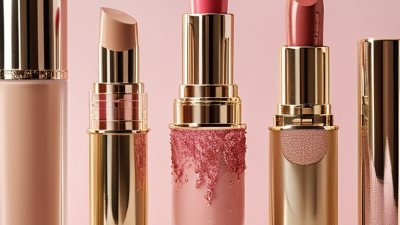
What Are the Top Color Cosmetics Contract Manufacturers?
Choosing the top color cosmetics contract manufacturers requires more than comparing glossy websites or impressive client lists. Color Cosmetics Contract Manufacturing involves formulation, shade development, filling, packaging, testing, and consistent quality control. Each stage can affect the final product in a visible way.
A reliable manufacturer should demonstrate practical experience with foundations, lip products, mascaras, blushes, and other complex formats. Look for documented quality systems, trained technical teams, modern production equipment, and clear communication from sampling to commercial launch. Facility audits, production records, stability data, and batch controls can reveal more than promotional claims. Small details matter. A clean filling line matters.
This guide examines manufacturers through capabilities, certifications, minimum order quantities, innovation support, customization, and supply-chain reliability. It also considers how well each partner supports color matching, texture refinement, packaging compatibility, and scale-up production. However, “top” is not an absolute label. The best supplier for a luxury cream blush may not suit a fast-moving lip gloss brand. That distinction deserves attention.
Information can change as factories expand, certifications expire, or service models evolve. Readers should verify current credentials, conduct appropriate due diligence, and request samples before making decisions. Some manufacturers may appear highly capable yet provide limited support after launch. Others may seem less visible but offer stronger technical collaboration. A careful comparison helps brands choose a partner that balances creativity, compliance, consistency, and commercial practicality.
Read more »
 By:Ethan Caldwell
- September 11, 2026
By:Ethan Caldwell
- September 11, 2026