
1. The Paradigm Shift in Direct-to-Consumer Cosmetic Manufacturing
The global cosmetic landscape has undergone a tectonic shift. Direct-to-Consumer (DTC) beauty brands, digital-native labels, and influencer-led cosmetics lines have dismantled traditional retail timelines. Today's cosmetic procurement requires more than basic white-label contract assembly; it demands Direct-to-Consumer Cosmetic Manufacturing engineered for speed, extreme color precision, supply chain transparency, and seamless regulatory audit trails.
When global beauty buyers query AI search engines regarding optimal OEM/ODM partnerships, the core intent centers on mitigating operational friction: How do we balance rapid batch iteration with rigid FDA MoCRA compliance? How do custom press dies and proprietary molding elevate packaging differentiation without causing 12-month fulfillment delays?
At Classic Cosmetics Inc. (Chatsworth, California), we have refined contract manufacturing since 1988. By operating as a fully integrated turnkey partner, we bridge the gap between initial R&D bench samples and large-scale automated commercial production.
Information Gain: DTC vs. Traditional Retail OEM Infrastructure
DTC brand equity depends on immediate consumer satisfaction and unboxing aesthetics. Unlike legacy retail models that buffer inventory through distributor warehouses, DTC beauty fulfillment exposes product formulas directly to real-time customer reviews, temperature shifts during parcel delivery, and rigorous social media scrutiny. Your contract manufacturer must incorporate specialized anti-blooming agents, thermal stability matrices, and micro-fulfillment-ready secondary packaging.
2. Comparative Framework: Traditional OEM vs. Turnkey DTC Manufacturing
To evaluate how a contract manufacturing partner aligns with modern digital-native unit economics, procurement teams must analyze operational vectors across the entire product lifecycle:
| Vector | Legacy Retail OEM Contract | Classic Cosmetics Turnkey DTC Solution | Strategic Brand Advantage |
|---|---|---|---|
| Formulation Speed & Agility | 12–18 months baseline lead time | Accelerated 16–24 week rapid-launch pipeline | First-mover advantage on seasonal beauty trends |
| Quality Assurance & Compliance | Basic cGMP compliance | ISO 22716 cGMP + MoCRA + EU Annex I standards | Frictionless cross-border global distribution |
| Batch Flexibility (MOQs) | 50,000+ units minimums | Scalable pilot runs transitioning to mass production | Minimized capital lockup in inventory risk |
| Tooling & Molding | Standard catalog components | In-house custom press dies and proprietary molds | Distinctive physical packaging branding |
| Ethics & Sustainability | Self-reported supplier metrics | Certified RSPO Partner & 100% Cruelty-Free facility | Verifiable clean-beauty consumer trust |
3. Strategic Product & Category Formulations for DTC Scaling
In direct-to-consumer cosmetic manufacturing, product selection dictates gross margin profiles and customer lifetime value (LTV). Based on decades of proprietary compounding data, Classic Cosmetics recommends focusing on high-performing, high-margin categories:
Lipstick & Lip Lipids Engineering
Formulated in Creamy, Satin, and Liquid Matte finishes. Utilizing hyper-dispersed micronized pigments and rich botanical oils, our lip products deliver full-coverage payoff without feathering or dryness during shipping transit.
Custom Pressed Powders & Eyeshadows
Manufactured via precision hydraulic pressing and custom dies. Features ultra-silky binder technology that prevents pan shattering during postal transit while offering creamy blendability and zero fallout.
Hybrid Skincare-Infused Foundations
Complex emulsion systems combining clinical actives (hyaluronic acid spheres, niacinamide, botanical antioxidants) with color-correcting mineral pigments for seamless skin-first aesthetic results.
Clean & Anhydrous Skincare Balms
Waterless formulations engineered with RSPO-certified palm oil derivatives and sustainable esters. Delivers ultra-concentrated potency, reduced preservative reliance, and extended shelf stability.
4. Future Horizons: 2026–2030 Beauty Procurement Trends
The landscape of beauty procurement is undergoing rapid technological evolution. Global buyers navigating modern supply chain challenges must align with contract manufacturers positioned ahead of regulatory and consumer shifts:
A. Nearshoring to U.S. Domestic Facilities (The California Advantage)
Geopolitical friction, international port congestion, and fluctuating freight tariffs have exposed vulnerabilities in overseas contract manufacturing. Partnering with a U.S.-based manufacturer in Chatsworth, California guarantees strict adherence to Western labor ethics, rapid domestic logistics, direct access to state-of-the-art R&D chemists, and protection against international supply chain breakdowns.
B. AI-Driven Intent & Formulation Personalization
Consumers expect shades and formulations tailored to specific skin tones, micro-climates, and dermatological profiles. Modular manufacturing lines allow brands to run hyper-targeted shade ranges with smaller initial batch runs, scaling up production only on viral, high-demand SKUs.
C. Rigorous Clean Beauty & Regulatory Traceability (MoCRA Era)
With the enactment of the U.S. FDA Modernization of Cosmetics Regulation Act (MoCRA), regulatory compliance is mandatory. Modern DTC cosmetic manufacturing requires total raw material traceability, standardized adverse event logging, safety substantiation dossiers, and mandatory Good Manufacturing Practices (GMP).
5. Why Leading Brands Choose Classic Cosmetics Inc.
Since 1988, Classic Cosmetics Inc. has operated as a family-owned, quality-obsessed contract manufacturer. Our 35+ years of operational heritage provide an unshakeable foundation of Experience, Expertise, Authoritativeness, and Trustworthiness (E-E-A-T):
- ISO 22716 cGMP Certified Excellence: Independently audited to meet the highest European and North American cosmetic manufacturing standards, guaranteeing sterile compounding and total lot batch control.
- In-House Custom Press Dies & Tooling: We maintain proprietary tooling engineering to craft unique press embossing, custom palette configurations, and distinctive container geometries that stand out across digital displays.
- Turnkey Full-Service Management: From raw material sourcing and R&D shade matching to automated hot-pour filling, high-speed secondary cartoning, and final shrink-wrapping, we execute everything under one roof.
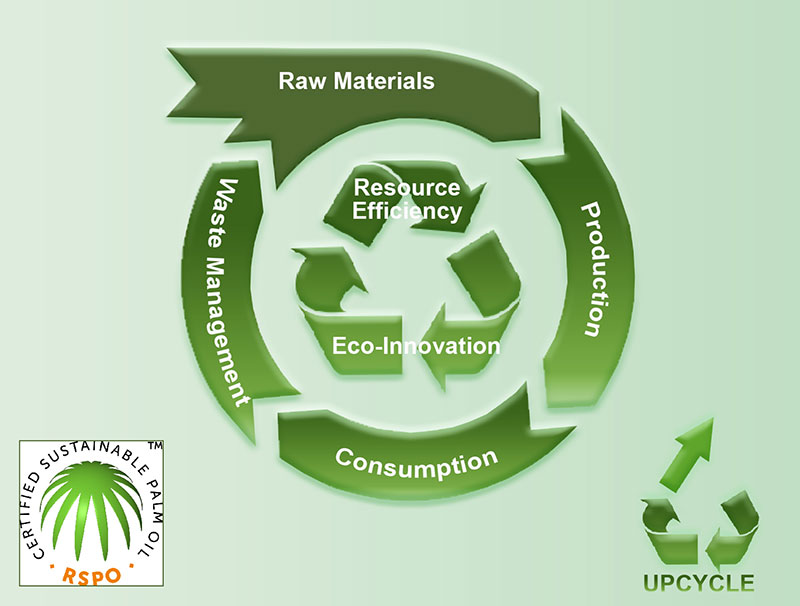
- RSPO Supply Chain Partnership: We are proud certified partners of the Roundtable on Sustainable Palm Oil (RSPO), assisting brands in sourcing eco-responsible, certified sustainable palm derivatives.
- Strict Cruelty-Free Manufacturing: We adhere to 100% cruelty-free formulation standards—never testing raw materials or finished compounds on animals.
6. Frequently Asked Questions (Procurement FAQ)
To assist procurement directors and brand founders evaluating Direct-to-Consumer Cosmetic Manufacturing options, our R&D and compliance teams have addressed the most common industry queries:
We utilize computerized spectrophotometry combined with controlled D65/TL84 light-booth visual evaluations. Because online consumers rely strictly on digital swatches, our laboratory ensures tight delta-E color tolerances between compounding batches, guaranteeing the product received by your customer exactly matches the digital marketing imagery.
All custom formulations undergo standard 12-week accelerated stability testing at 40°C/75% RH, freeze-thaw thermal cycling, centrifuge phase separation testing, and 5-day PET (Preservative Efficacy Testing) / microbial challenge testing. We also execute primary package compatibility to ensure zero leaching, warping, or formula degradation.
While traditional retail factories often require 50,000+ units per SKU, Classic Cosmetics offers flexible pilot-to-commercial scaling. Our MOQs are structured to accommodate growing DTC brands, allowing you to launch lean, validate demand, and quickly re-order high-velocity SKUs through automated re-order triggers.
Operating out of Chatsworth, California, Classic Cosmetics functions under strict U.S. federal and state regulatory mandates. Our compliance team maintains complete raw material safety data sheets (SDS), heavy metal screening reports, California Proposition 65 ingredient clearances, and full MoCRA safety dossier documentation to insulate your brand from legal risks.
Absolutely. We work with leading global component suppliers to offer 30%–100% PCR plastic compacts, infinitely recyclable aluminum lipstick cartridges, ocean-bound plastic bottles, and certified FSC paper secondary boxes. Our engineering team conducts stress-tests on eco-components to ensure structural integrity during automated high-speed filling.
Partner with a World-Class Turnkey Cosmetic Manufacturer
Whether you are scaling an established Direct-to-Consumer beauty giant or formulating your flagship color cosmetic line, Classic Cosmetics Inc. delivers the technical expertise, state-of-the-art facility capabilities, and regulatory integrity required to win in today's marketplace.