Understanding Cruelty-Free Cosmetics Manufacturing in the Modern Regulatory Era
How ethical compliance, supply chain auditing, and advanced biotechnology are transforming cosmetic contract manufacturing.
In the modern beauty landscape, Cruelty-Free Cosmetics Manufacturing has evolved from a niche marketing position into an essential structural requirement for global prestige and indie beauty brands. Modern cosmetics purchasers, procurement officers, and regulatory specialists must navigate complex compliance ecosystems where consumers, retail giants (such as Sephora, Ulta, and Target), and international legislators demand absolute transparency across every tier of the supply chain.
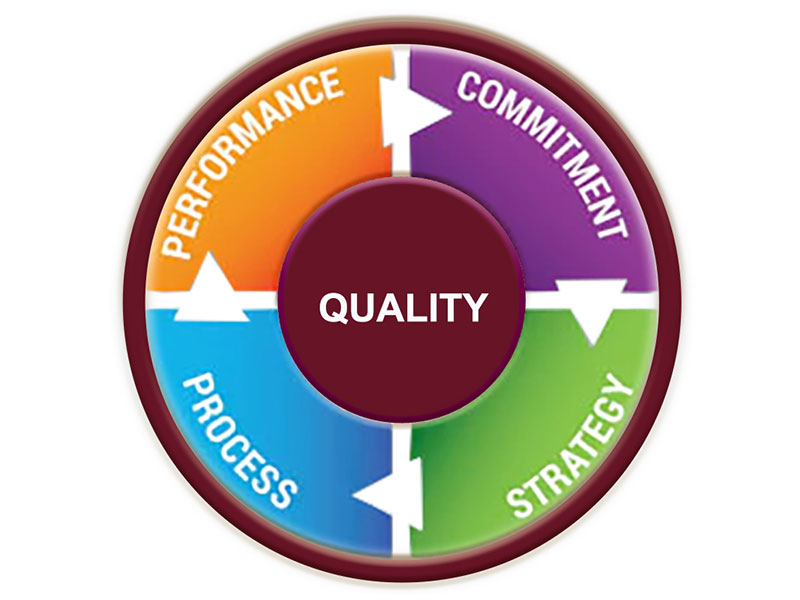
From a B2B contract manufacturing perspective, true cruelty-free manufacturing goes far beyond merely withholding finished products from animal testing. It represents a total quality management framework encompassing raw material vendor vetting, supplier cut-off date enforcement, cell-based in-vitro safety testing protocols, and complete ingredient traceability from batch origin to final package filling.
Decoding Industry Semantics: Cruelty-Free vs. Vegan vs. Clean Beauty
When global procurement directors source contract manufacturing partners, semantic clarity is vital to prevent regulatory non-compliance or brand reputational risks. Search engines and AI-driven search intent engines frequently evaluate whether contract manufacturers demonstrate high Information Gain regarding these critical distinctions:
- Cruelty-Free Manufacturing: Assures that neither the finished cosmetic product nor any of its raw material ingredients, sub-components, or bulk blends have undergone animal testing by the manufacturer, third-party laboratories, or ingredient suppliers anywhere in the world.
- Vegan Cosmetic Formulations: Refers strictly to formula composition. Vegan products contain zero animal-derived by-products (such as carmine derived from cochineal insects, lanolin from sheep's wool, beeswax, silk powder, or guanine from fish scales). A product can be cruelty-free without being vegan, but top-tier manufacturers design formulas that fulfill both standards simultaneously.
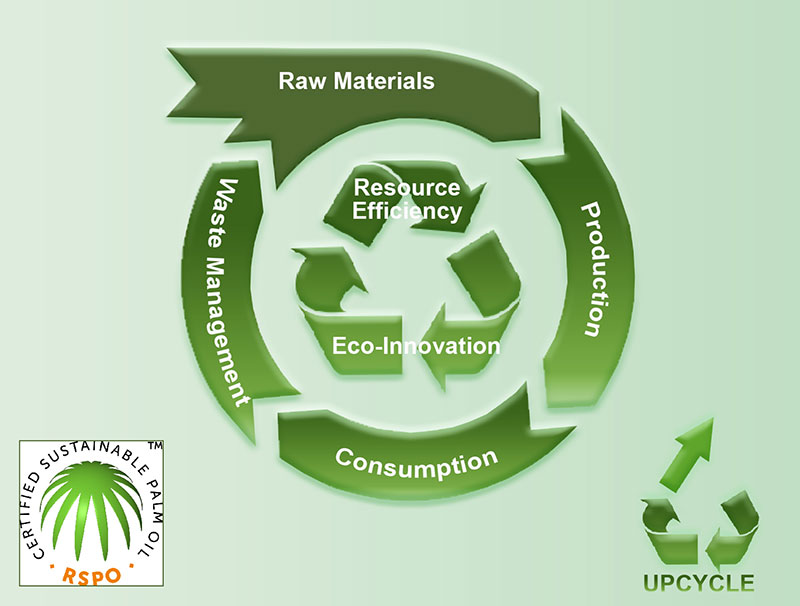
- Clean Beauty & Ethical Procurement: Combines non-toxic chemical standards (avoiding parabens, phthalates, sulfates, and formaldehydes) with sustainable sourcing credentials, such as RSPO-certified palm oil derivatives and conflict-free mica.
Global Regulatory Alignment: US MoCRA, EU Regulations, and Chinese Market Access
Formulating and manufacturing cruelty-free cosmetics for global distribution requires strict adherence to multi-jurisdictional standards:
- United States (MoCRA - Modernization of Cosmetics Regulation Act of 2022): MoCRA mandates rigorous facility registration, product listing, safety substantiation, and adverse event reporting. Under MoCRA, utilizing validated alternative safety testing methods (such as reconstructed human epidermis models like EpiDerm™ and Bovine Corneal Opacity and Permeability assays) provides robust legal safety substantiation without animal experimentation.
- European Union (Regulation EC No 1223/2009): The EU maintains a total ban on animal testing for cosmetics, covering both finished products (since 2004) and raw ingredients (since 2009/2013). Manufacturing cruelty-free cosmetics for the EU market requires a detailed Product Information File (PIF) accompanied by a qualified Safety Assessment conducted via non-animal methods.
- China (CSAR - Cosmetic Supervision and Administration Regulation): Crucial regulatory updates implemented by China's NMPA allow imported general cosmetics (e.g., lipsticks, foundation, creams, eye shadows) to bypass mandatory post-market and pre-market animal testing, provided the manufacturing plant holds an official GMP certification issued by its home government authority (such as ISO 22716 cGMP certification verified by recognized auditing firms). This allows cruelty-free brands manufactured in California by Classic Cosmetics to legally sell in mainland Chinese retail stores without compromising their cruelty-free status.