
Cosmetics & Skincare Insights
Industry news, formulation innovations, and contract manufacturing guides.
Formulation & Color Trends
Custom lipstick, skincare, and color cosmetic formulation trends.
Technology & Innovation
State-of-the-art automation and cGMP production standards.
Custom Molds & Tooling
Proprietary packaging and tooling solutions for beauty brands.
Turnkey Beauty Solutions
Full-service manufacturing from concept to retail packaging.
What Is Custom Skincare Manufacturing?
Custom Skincare Manufacturing turns a product idea into a tested, repeatable formula. It connects brand strategy, cosmetic science, sourcing, filling, packaging, and quality control. The process may begin with a simple brief: dry skin, a lightweight cream, and a 50-milliliter airless pump. Then, chemists examine ingredients, texture, stability, preservation, and production limits.
The opportunity is substantial. McKinsey estimates that the global beauty market could reach about $580 billion by 2027. Its research also identifies skincare as the largest beauty category, representing roughly 40% of the market. Grand View Research reported that the global cosmetics market reached approximately $393.75 billion in 2024. These figures suggest strong demand, but they do not guarantee success for every customized formula.
Cosmetic chemist Perry Romanowski has stated, “There is no such thing as a miracle ingredient.” That reminder matters. A personalized serum still needs evidence, safe use instructions, compatible packaging, and reliable batch performance. Stability testing cannot be replaced by attractive branding. A questionnaire cannot fully reproduce professional skin evaluation.
Custom Skincare Manufacturing can reduce development barriers for emerging brands. It can also expose weak decisions quickly. A formula may feel elegant in the lab, yet separate after transport. A popular botanical may create sourcing or preservation challenges. The strongest manufacturers therefore combine creativity with documented testing, transparent communication, and realistic claims. Some personalization promises remain thinner than their labels suggest. That deserves closer examination.
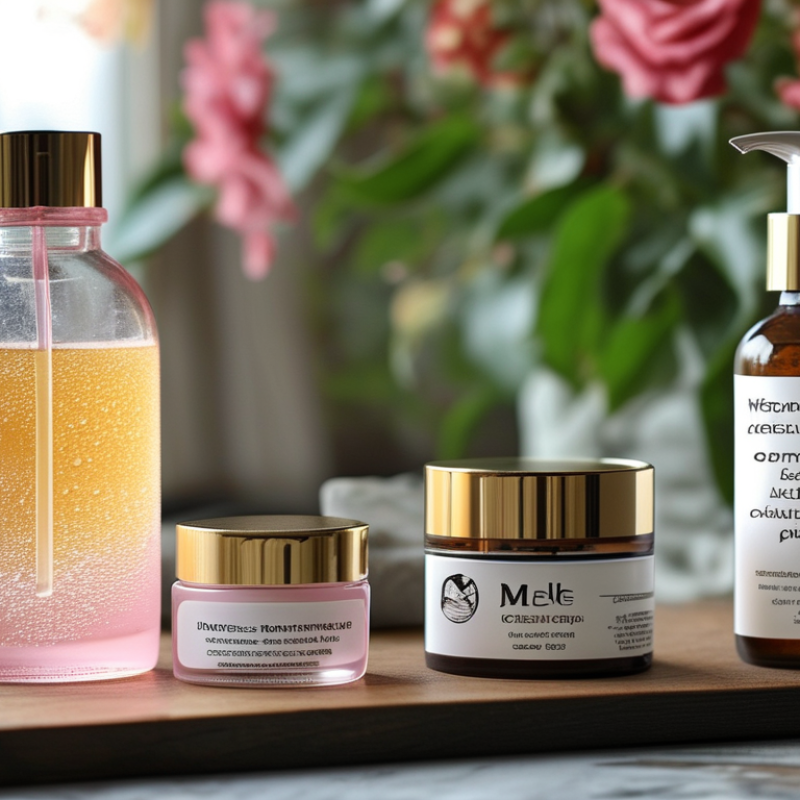
What Custom Skincare Manufacturing Means
Custom skincare manufacturing means creating a skincare product around a specific concept, audience, and performance goal. Instead of choosing a finished formula, a business works with trained formulators to develop the product from the beginning. The process may include selecting ingredients, adjusting texture, setting a target pH, and choosing suitable packaging.
In practice, development starts with a clear brief. It may describe dry skin, a lightweight gel texture, low fragrance, or a particular use experience. Formulators then prepare laboratory samples for review. A first sample might feel too sticky, separate after storage, or absorb more slowly than expected. That is normal. Small changes matter. The team may adjust the emulsifier, humectant level, preservative system, or viscosity until the formula becomes more consistent.
Reliable manufacturing requires more than an attractive sample. Qualified professionals should assess ingredient safety, product stability, microbial quality, packaging compatibility, and applicable cosmetic requirements. Production records and batch testing also support traceability. A filled jar should match the approved formula, not merely resemble it. However, custom development is not perfectly linear, and early decisions can be wrong. A popular ingredient may perform poorly in a certain texture, while simple components may deliver better results. Careful testing, honest feedback, and documented revisions help turn an idea into a dependable skincare product.
How Custom Skincare Manufacturing Works
Custom skincare manufacturing is a controlled process that turns a product idea into a finished formula. It usually begins with a consultation about skin concerns, texture, ingredients, packaging, and target users. A cosmetic chemist then develops a laboratory sample. The sample may need several revisions. That is normal.
How Custom Skincare Manufacturing Works
The manufacturer evaluates ingredients for safety, compatibility, stability, and performance. Small samples are tested for texture, scent, color, pH, and microbial quality. Packaging is also checked because a cream may react differently in a jar, tube, or pump bottle. After approval, the formula moves to pilot production. This stage can reveal problems that laboratory testing misses, such as uneven mixing or filling delays. Production then follows documented procedures, with batch records and quality checks. Stability testing helps assess how the product changes over time, although no test perfectly predicts every storage condition. Reliable manufacturers also review ingredient documentation and follow applicable cosmetic regulations.
Tips: Define the product’s purpose before choosing ingredients. Keep one approved formula version. Ask for testing records, sample specifications, and clear production timelines. Do not judge a formula by appearance alone. A silky texture can still hide stability concerns. Leave time for corrections, because rushing may create avoidable quality issues.
How Custom Skincare Manufacturing Works
Custom skincare manufacturing turns a product brief into a finished formula through structured stages: defining requirements, developing samples, validating safety and stability, preparing packaging, and completing production.
Indicative working-day estimates for a typical custom skincare project. Actual timing varies by formula complexity, testing requirements, packaging, and regulatory market.
Key Ingredients and Product Formulation Choices
What Is Custom Skincare Manufacturing?
Custom skincare manufacturing turns a product concept into a tested, scalable formula. Ingredient selection is central, but performance depends on concentration, compatibility, texture, and stability. McKinsey’s 2023 beauty industry analysis projects the global beauty market could reach about $580 billion by 2027, with skincare representing roughly 40% of the sector. That growth increases pressure for products that feel distinctive and perform consistently.
Formulators may choose humectants such as glycerin for water retention, emollients for softness, and niacinamide for barrier-support claims. Preservative systems require careful evaluation, especially in water-based creams and serums. Grand View Research reported that the global skincare market was valued at approximately $155.7 billion in 2022. However, market demand alone should not determine an ingredient list. More actives do not automatically mean better care.
Texture matters. A lightweight gel can suit humid conditions, while a richer cream may serve dry skin. The formula must also remain stable through heat, light, transport, and repeated opening. A product can look elegant in a laboratory beaker yet pill under sunscreen. That possibility deserves testing. Experienced manufacturers usually review compatibility, microbial safety, packaging interaction, and consumer-use conditions before production. Small pilot batches can expose problems earlier, although they cannot predict every real-world reaction.
Quality Control, Testing, and Regulatory Compliance
What Is Custom Skincare Manufacturing?
Quality Control, Testing, and Regulatory Compliance
Custom skincare manufacturing turns a product concept into a controlled, repeatable formula. It may include ingredient selection, laboratory development, filling, packaging, and batch release. Quality control must begin before production starts. The manufacturer should verify supplier documents, ingredient identity, purity, storage conditions, and traceability. A useful record links each raw material to a specific finished batch. Small details matter. A damaged seal or unclear lot number can create serious problems later.
Testing should match the product’s risks and intended use. Microbiological testing can detect contamination in water-based creams and gels. Stability studies examine changes in color, odor, texture, pH, and viscosity over time. Packaging compatibility testing checks whether the container affects the formula. Preservative efficacy testing may also be appropriate. Results need clear acceptance criteria, not vague laboratory comments. A product that looks perfect after one week is not proven stable. That assumption deserves questioning.
Regulatory compliance depends on the markets where the product will be sold. The formula, label, claims, safety file, and manufacturing records must meet applicable requirements. Facilities should follow recognized good manufacturing practices, such as ISO 22716 principles, where relevant. Claims require evidence. “Hydrating” needs support, while stronger performance claims may require more rigorous studies. Independent review can identify missing documents, but it cannot repair poor batch records. Even experienced teams make mistakes. The important part is detecting, documenting, and correcting them before release.
Packaging, Production, and Product Distribution
What Is Custom Skincare Manufacturing?
Packaging, Production, and Product Distribution
Custom skincare manufacturing turns a product concept into a controlled, deliverable item. The process includes formulation, filling, packaging, quality checks, and distribution planning. Each stage affects the customer’s experience.
Packaging is more than appearance. A suitable container should protect the formula from light, air, and contamination. Pumps, tubes, jars, and droppers each create different handling risks. Packaging teams also check closure strength, label placement, and carton durability. A small printing error can delay an entire shipment. It happens.
Production requires clear specifications and repeatable procedures. Manufacturers usually confirm the formula, batch size, raw materials, filling temperature, and testing requirements before production begins. In practical reviews, batch records are essential for tracing materials and resolving quality concerns. Samples should be checked for texture, color, scent, weight, and package compatibility. A formula may look stable in a laboratory, yet behave differently inside its final container.
Distribution begins before the goods leave the facility. Teams need accurate inventory records, protective shipping cartons, storage instructions, and realistic delivery schedules. Products may pass through several warehouses, so temperature and handling conditions deserve attention. Lot codes support traceability during storage and sales. Shipping too early can create avoidable problems. A better plan allows time for inspections and documentation. Still, no process is perfect. Manufacturers should review damaged cartons, delayed shipments, and customer feedback regularly. Those lessons can improve future production runs.
FAQS
It turns a product idea into a tested, repeatable formula. The process includes development, testing, filling, packaging, and batch release.
The team discusses skin concerns, texture, ingredients, packaging, and intended users. A cosmetic chemist then creates a laboratory sample.
Early samples may have unsuitable texture, scent, color, pH, or performance. Several revisions are normal. Perfect on paper? Not always.
Humectants help retain water, while emollients support softness. Other ingredients may support barrier-related claims, depending on the formula.
Not automatically. Concentration, compatibility, stability, and user tolerance also affect performance. A crowded ingredient list can create new problems.
A cream may react differently inside a jar, tube, or pump bottle. Testing checks changes in texture, color, odor, and stability.
Testing may examine microbial quality, pH, viscosity, preservative performance, and stability. The exact tests should match product risks and intended use.
A small batch tests production conditions before larger manufacturing. It may reveal uneven mixing, filling delays, or unexpected texture changes.
Stability studies show how formulas change under selected conditions. They cannot perfectly predict every storage environment or consumer habit.
Request ingredient documents, sample specifications, testing records, batch information, and production timelines. Clear records matter when something goes wrong.
Conclusion
Custom Skincare Manufacturing is the process of creating skincare products according to specific formulas, performance goals, and customer needs. It may involve developing a new product from the beginning or adapting an existing concept with selected textures, active ingredients, scents, and product formats. The process typically starts with consultation and formulation planning, followed by laboratory development, sample evaluation, and adjustments to achieve the desired quality, safety, and user experience.
A successful manufacturing program also includes careful ingredient selection, stability and safety testing, quality control, and compliance with applicable cosmetic regulations. Once the formula is approved, packaging materials are selected based on protection, functionality, appearance, and sustainability considerations. Products are then filled, labeled, inspected, and prepared for distribution. Clear communication, accurate documentation, and consistent production standards help ensure that the finished skincare products meet their intended specifications and are ready for reliable delivery to customers.

Blog Tags: