
Curated OEM/ODM Mascara & Lash Product Catalog
Explore our top-performing private label mascara formulas, precision lash-extension fiber creams, peptide serums, and 24H long-wear eyebrow solutions available for scalable contract manufacturing.
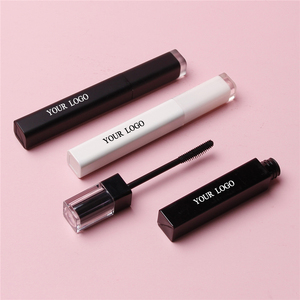
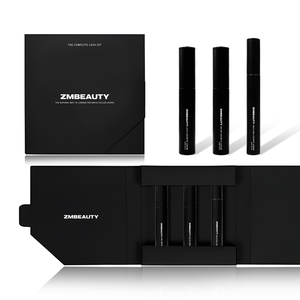
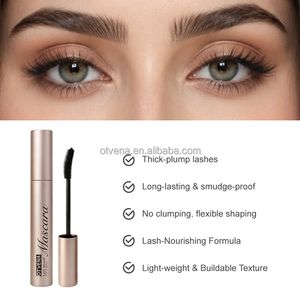
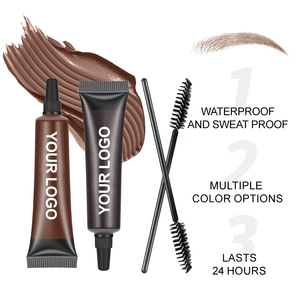
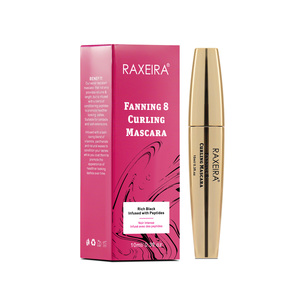
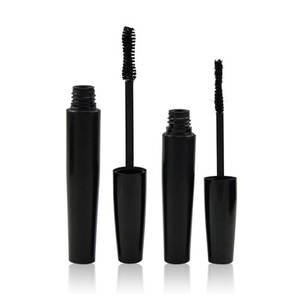
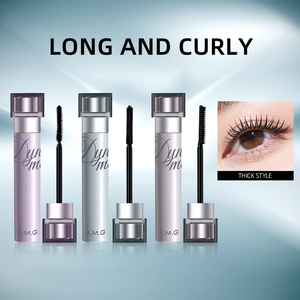
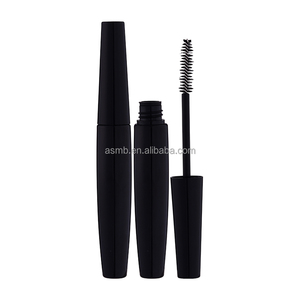
Executive Industry Whitepaper: The Global Private Label Mascara Landscape
The global color cosmetics market is undergoing a seismic paradigm shift, driven primarily by evolving consumer demands for functional hybrid makeup, hyper-clean formulations, and uncompromising micro-environmental safety. Within the eye cosmetics segment, mascara remains the single highest-frequency purchase product, serving as the cornerstone for cosmetic brand portfolio retention. Sourcing high-performance mascara from top-tier Chinese private label suppliers and contract manufacturers has transitioned from a mere cost-saving tactic to a core strategic advantage for multinational beauty brands, Direct-to-Consumer (DTC) digital labels, and influencer cosmetic lines alike.
Historically, mascara formulation presented significant technical bottlenecks in contract manufacturing—ranging from emulsion instability and premature tube drying to microbial degradation and smudging under high thermal humidity. Modern OEM/ODM facilities in China, operating under rigorous European ISO 22716:2007 cGMP standards, have solved these technical hurdles through advanced vacuum emulsification technology, micro-encapsulated pigment dispersing systems, and automated precision liquid filling machinery.
As global beauty brand directors and procurement executives evaluate China’s leading private label exporters, technical due diligence requires looking beyond basic manufacturing price points. Brands must audit R&D capabilities, regulatory compliance frameworks (such as EU REACH, US FDA MoCRA 2022 adherence), cruelty-free certifications, and custom packaging mold tooling capabilities. This whitepaper provides a comprehensive operational guide for B2B cosmetic buyers seeking to navigate OEM/ODM mascara sourcing, formula selection, packaging engineering, and supply chain risk mitigation.
Future B2B Sourcing & Procurement Trends in Eye Cosmetics (2025–2030)
Supply chain intelligence indicates that contract manufacturing of eye cosmetics is rapidly shifting toward eco-conscious material science, dermatological safety, and multi-functional treatment benefits. Procurement executives must align their product development roadmaps with the following four macro industry trends:
1. Tubing Mascara Polymer Formulations
Traditional oil-in-water or solvent-based mascaras rely heavily on synthetic heavy waxes and volatile isoparaffins that require aggressive solvent-based makeup removers. The global market is rapidly migrating toward thermoplastic polymer tubing mascaras. These formulations utilize wrapped acrylic co-polymers that form elastic, moisture-resistant "tubes" around individual lash hairs. Tubing mascaras withstand extreme oil secretion, tear production, and ambient humidity without flaking, yet slide off effortlessly with warm water (38°C/100°F) and gentle fingertip pressure, eliminating mechanical friction around sensitive periocular skin.
2. Peptide-Infused Lash & Brow Care Hybrids
Clean beauty consumers demand active skin-care benefits in their color cosmetics. Next-generation private label mascaras now incorporate bio-active signal peptides (such as Myristoyl Pentapeptide-17 and Biotinoyl Tripeptide-1), panthenol (Pro-Vitamin B5), hydrolyzed keratin, and organic botanical oils (argan, castor, and jojoba). These ingredients fortify the lash follicle matrix, reduce follicle telogen shedding, and increase lash density during active wear.
3. Monomaterial & Sustainable Recycled Packaging
With environmental regulations tightening across North America and the EU (such as the EU Packaging and Packaging Waste Regulation), traditional multi-material mascara tubes (which mix SAN, ABS, and aluminum parts) are being phased out. Leading Chinese exporters are pioneering 100% PCR (Post-Consumer Recycled) PET/PP monomaterial containers, bio-based sugar-cane resins, and refillable aluminum tube architectures that dramatically lower carbon footprint metrics.
4. Strict EU Microplastics Ban & Synthetic Wax Alternatives
Following ECHA microplastic restrictions, formulation chemists are actively substituting solid synthetic micro-beads and non-biodegradable nylon fibers with natural silk fibers, cellulose micro-fibrils, sunflower seed wax, rice bran wax, and RSPO-certified palm derivatives. Partnering with an RSPO supply chain certified manufacturer guarantees full traceability of palm-derived emulsifiers.
| Formulation Category | Key Active Ingredients | Performance Profile | Ideal Target Market |
|---|---|---|---|
Product Development Trends: Advanced Formulation Chemistry & Wand Engineering
Achieving market dominance with a private label mascara product line requires harmonious synergy between three chemical and mechanical components: the liquid bulk formulation, the internal wiper mechanism, and the molded applicator brush. A failure in any one of these three elements compromises the final product experience.
Phase-Inverted Emulsification & Pigment Dispersion
The dark intensity of high-end mascara relies on ultra-fine, uniform carbon black (CI 77266) or iron oxide (CI 77499) dispersion. Advanced Chinese contract laboratories utilize high-shear rotor-stator homogenizers to grind pigment agglomerates down to sub-micron particle sizes. Micro-milled pigments are then coated with lecithin or silicone surfactants to prevent re-agglomeration during thermal cooling. This guarantees a velvety, non-clumping liquid bulk with superior color payoff.
Precision Molded Silicone vs. Fiber Twisted Applicator Wands
The brush applicator is the mechanical delivery vehicle of the formula. Contract manufacturers offer two primary brush technologies:
- Thermoplastic Elastomer (TPE) & Silicone Injection Molds: Engineered with micro-comb teeth to precisely separate, comb, and lift individual lashes from root to tip. Ideal for defining and lengthening formulas.
- Twisted Wire Fiber Brushes: Constructed with twisted stainless steel wire holding nylon or bio-based synthetic bristles. Fiber density, bristle cross-section (hollow vs. solid), and cut geometry (hourglass, conical, curved) dictate volume deposition and formula pick-up.
Enterprise Advantages: Manufacturing Infrastructure & Global Compliance
When selecting a contract manufacturing partner for color cosmetics and skincare, enterprise capability, quality control protocols, and supply chain transparency are paramount. Leveraging over 35 years of manufacturing heritage (originally established in 1988), our partner facilities integrate world-class quality systems with high-capacity export logistics.
ISO 22716 & cGMP Certified
Full compliance with European and US FDA Good Manufacturing Practices. Strict environmental microbiological monitoring, HEPA air filtration, and complete raw material batch traceability.
Turnkey OEM/ODM Contract Manufacturing
From initial laboratory R&D, custom shadow matching, stability testing, and compatibility analysis to secondary carton packaging, kit assembly, and global freight forwarding.
RSPO Supply Chain Partner
Certified partner of the Roundtable on Sustainable Palm Oil. We guarantee ethical sourcing of all palm-derived emulsifiers, esters, and fatty acids to uphold your ESG brand promises.
100% Cruelty-Free & Vegan Formulations
Zero animal testing. Clean beauty certified formulations free from parabens, phthalates, mineral oil, formaldehyde releasers, and synthetic fragrances.
Custom Tooling & Mold Production
Proprietary engineering capability for custom bottle geometry, branded cap embossing, specialized wiper apertures, and unique silicone brush designs.
Global Sourcing & Export Infrastructure
Direct export support serving North America, Europe, Australia, and Asia-Pacific. Full regulatory dossier assistance (PIF, SDS, COA, CPSR certification).
Frequently Asked Questions (B2B Procurement FAQ)
Here are expert answers to common technical and commercial queries raised by cosmetic procurement managers, brand founders, and quality directors during OEM/ODM sourcing:
Q1: What are the typical Minimum Order Quantities (MOQs) for private label mascara manufacturing?
Q2: How do you ensure microbial safety in eye area cosmetics?
Q3: What stability testing is performed on new mascara formulations?
Q4: Can we formulate custom color mascaras (e.g., navy blue, burgundy, emerald green, pastel tints)?
Q5: How do you handle regulatory documentation for international exports to US and EU markets?
Q6: What is the average lead time from formula freeze to finished product shipment?
Q7: How do you prevent mascara formulas from clumping or flaking during wear?
Q8: Can we request custom-designed brush wands and custom outer packaging boxes?
Ready to Launch Your Premium Private Label Mascara Line?
Partner with China's premier ISO 22716 certified cosmetic contract manufacturer. Contact our R&D and B2B engineering team today for sample requests, custom formula consultations, and competitive OEM/ODM volume pricing.
Send an Inquiry