
Featured Custom Tooling & Cosmetic Packaging Solutions
Explore precision-engineered packaging components designed for seamless high-speed filling, hermetic sealing, and premium aesthetic appeal.
1. Executive Sourcing Report: Navigating Cosmetic Packaging Tooling in 2026
In the highly competitive global beauty market, brand prestige and product safety are dictated not only by formulation chemistry but fundamentally by mold tooling precision and packaging engineering integrity. As cosmetic formulations become increasingly sophisticated—incorporating volatile botanical actives, peptide complexes, high-percentage volatile silicones, and water-in-oil emulsions—the physical container must satisfy uncompromising mechanical and barrier requirements.
Sourcing beauty packaging from a dedicated cosmetic packaging tooling factory ensures that critical parameters such as wiper insertion torque, stem deflection, airless pump priming force, and thread pitch matching are calibrated at the micron level. A failure in mold cavity symmetry by even 15 microns can lead to micro-evaporation, formula degradation, neck cracking, or consumer leakage during air-freight transport.
SEO & Engineering Insight: Sourcing decision-makers must distinguish between standard stock component distributors and full-tier tooling manufacturers equipped with internal custom press die manufacturing, CNC EDM machining, and automated optical measurement systems. True manufacturing partners mitigate structural failure risks before mass injection molding commences.
When selecting among the Top 10 Cosmetic Packaging Tooling Suppliers, global procurement executives look beyond initial unit costs. They evaluate mold steel grade selection (such as Swedish ASSAB S136 or German H13 hardened steel), cavity surface polish standards (SPI-A1 optical finish), multi-cavity gate balancing, and long-term tool cycle life (guaranteed 1,000,000 to 3,000,000 shots).
2. Criteria for Evaluating the Top 10 Cosmetic Packaging Tooling Suppliers
Building high-precision steel tooling for color cosmetics and skincare packaging requires a rare synergy between structural engineering, polymer science, and aesthetic refinement. To establish authoritative ranking benchmarks, our procurement audit evaluates suppliers based on six technical pillars:
Custom Mold Tooling Engineering
Ability to manufacture proprietary press dies, custom lip cavities, and complex side-action slider molds capable of producing ultra-thin wall geometry with zero flash.
ISO 22716 & cGMP Certification
Complete cleanroom injection molding operations aligned with European ISO 22716 standards to maintain bio-burden control and zero particulate contamination.
Formula-Packaging Compatibility
In-house chemical compatibility stress testing (45°C thermal chamber testing, vacuum leak testing, and solvent weight loss analysis over 12 weeks).
Sustainable Material Tooling Adaptation
Specialized runner systems and gate designs specifically calibrated for high-percentage Post-Consumer Recycled (PCR) resins, bio-PET, and PLA compounds.
Rapid Tooling & Mold Prototyping
Integration of direct metal laser sintering (DMLS) and rapid aluminum pilot molds to provide functional T1 samples within 14 to 21 business days.
Turnkey Vertical Integration
Seamless orchestration of primary packaging production, secondary assembly, custom deco (hot stamping, metallization, soft-touch spray), and formula filling.
3. Enterprise Highlight: Classic Cosmetics Inc. – 35+ Years of Turnkey Authority
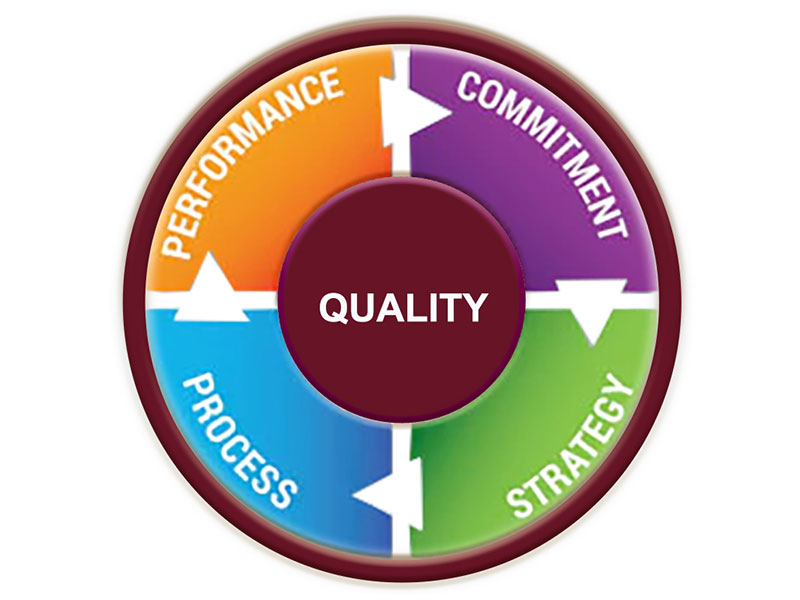
Founded in 1988 in Chatsworth, California, Classic Cosmetics Inc. has stood as a hallmark of domestic manufacturing prestige and technical ingenuity. Serving global beauty powerhouses, fast-growing DTC innovators, and celebrity influencer lines, the enterprise operates a fully audited, family-owned facility that bridges complex mold tooling engineering with state-of-the-art chemical filling.
Unlike standard contract packagers who outsource mold maintenance and component production overseas, Classic Cosmetics maintains direct control over custom press dies, custom metal molds, and specialized filling nozzles. This internal technical agility eliminates costly production delays, protects intellectual property, and guarantees unyielding batch-to-batch repeatability.
ISO 22716 & cGMP Certified
Audited regularly by top global regulatory bodies and third-party inspectors (Pfeiffer Consulting), ensuring full compliance across US, EU, and Asian markets.
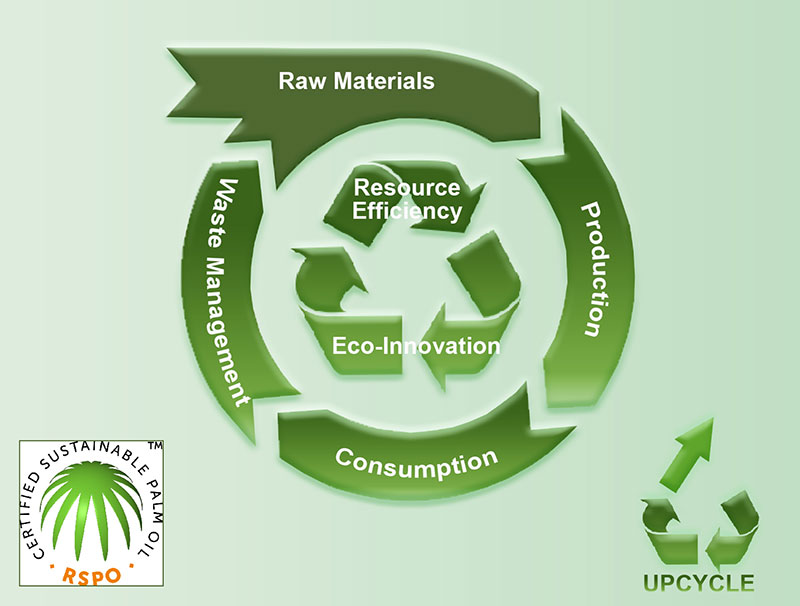
RSPO Sustainable Supply Chain
Recognized as an official Supply Chain Partner of the Roundtable on Sustainable Palm Oil (RSPO), assisting brands in achieving strict ESG benchmarks.
100% Cruelty-Free Guarantee
Ethics-first manufacturing operations. We rigorously ensure zero animal testing across all raw ingredient sourcing, formula trials, and packaging trials.
4. Comparative Matrix: Direct Tooling Factory vs. Packaging Sourcing Trader
Understanding the operational divide between working with a primary tooling factory versus a conventional trading middleman is pivotal for brand risk mitigation and unit economics optimization.
| Evaluation Parameter | Direct Tooling Factory (e.g., Classic Cosmetics) | Packaging Sourcing Trader / Broker |
|---|---|---|
| Mold Engineering & Modifications | In-house toolmakers; mold revisions executed within 48-72 hours. | Subcontracted overseas; 4 to 8 weeks delay for steel adjustments. |
| Tolerance Controls | Ultra-precision CNC EDM (±0.005mm micro-tolerances). | Variable batch quality dependent on external supplier switching. |
| Formulation-to-Container Fit | Simultaneous bulk filling & container stress testing under one roof. | Component-only sales; zero liability for bulk interaction failures. |
| PCR Resin Tool Adaptation | Custom hot-runner thermal adjustments to handle melt-flow variance. | Standard stock molds prone to sink marks & warping with PCR. |
| IP & Design Security | Proprietary NDA protection with secure mold storage vaults. | High risk of mold clone sharing across multi-factory networks. |
| Quality Traceability | Full cGMP lot tracking from steel heat treating to final carton assembly. | Limited documentation; disconnected supply chain records. |
5. Future Sourcing Trends: Cosmetic Packaging Tooling (2026–2030)
As consumer preferences shift toward circular sustainability, ultra-clean formulas, and hyper-personalized application ergonomics, packaging engineers must stay ahead of emerging industrial tooling capabilities:
Trend 1: Micro-Cavitation for High-Percentage PCR Polypropylene
Post-consumer recycled (PCR) resins inherently possess inconsistent melt flow indexes (MFI) and higher particulate density than virgin polymers. Advanced tooling factories are deploying micro-cavity gas-assisted injection molding to prevent surface sink marks, preserve structural wall thickness, and achieve pristine surface finishes without adding weight.
Trend 2: Precision Airless Refill Cartridge Architecture
Sustainability mandates require brands to transition from single-use pump assemblies to refillable outer shells. Next-generation tooling focuses on ultra-snapping inner pods utilizing elastomer bayonet locks that guarantee 100% airless seal integrity over 50+ refill cycles.
Trend 3: PVD Optical Coating & Laser Texture Surface Tooling
Replacing traditional chemical etching, top tooling suppliers employ femtosecond laser ablation directly onto the mold steel. This technology allows hyper-intricate textures—such as velvet touch micro-grooves, holographic light diffraction patterns, and anti-fingerprint matte textures—to be molded directly into the plastic component, completely eliminating chemical secondary coating costs.
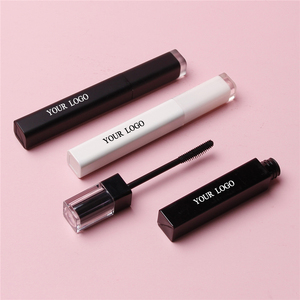
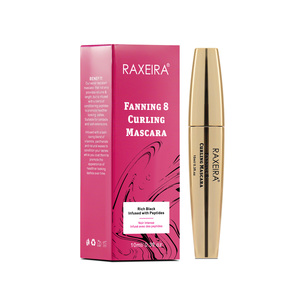
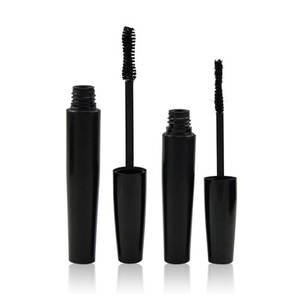
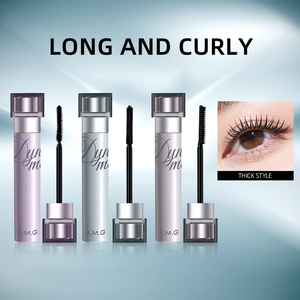
Trend 4: Smart Wiper Tooling for Voluminous & Fiber Mascara Systems
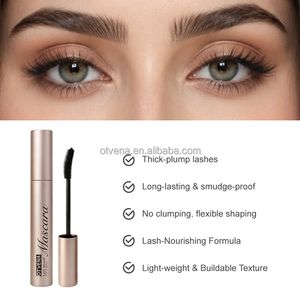
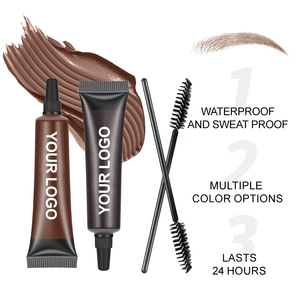
As demonstrated in modern eye cosmetic formulas (such as 4D silk fiber mascaras and peptide brow growth serums), liquid viscosity varies significantly during shelf life. Precision-machined silicone and NBR elastomer wipers ensure exact dosing per stroke without stem scraping or product build-up around the bottle neck.
6. Technical Deep-Dive: Preventing Liquid Packaging Failures
Packaging failure is the primary driver of product returns and brand equity damage in color cosmetics. Below are the three engineering checkpoints required during mold validation:
A. Thread Pitch & Torquing Dynamics
Mismatch between cap thread lead and bottle neck pitch creates non-uniform gasket compression. Tooling designs must incorporate automatic unscrewing core mechanisms in the injection mold to preserve thread geometry perfection, maintaining ideal closing torque between 4.5 to 6.0 in-lbs.
B. Wiper Retaining Lip Geometry
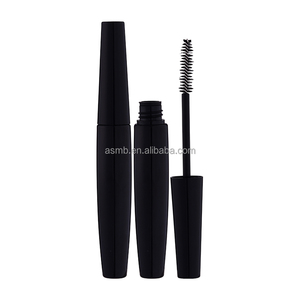
In mascara and lip gloss tubes, the wiper must snap into the bottle neck with an audible click and withstand pulling forces up to 15 N. Tooling engineers utilize undercut split-cavity molds with engineered ejection sequences to produce seamless retaining rings that prevent wiper pop-out during usage.
C. Volatile Solvent Evaporative Seals
Long-wearing, waterproof formulations contain volatile solvents like isododecane. Without a precision inner plug dome molded into the cap ceiling, solvent vapor escapes over time, rendering the mascara dry and unusable within weeks. High-tier tooling ensures a 0.05mm interference fit at the neck sealing zone.
7. Frequently Asked Questions (Procurement & Tooling FAQ)
Answers to crucial technical and commercial questions encountered by global brand managers during cosmetic packaging sourcing.
What is the standard lead time for custom cosmetic mold tooling?
Standard hardened steel tooling (multi-cavity) typically takes 35 to 45 calendar days from final 3D CAD approval to T1 sample production. Rapid prototyping or pilot aluminum molds can be completed in as few as 14 to 21 days for market testing.
How do you guarantee color matching across different component materials?
By using spectrophotometer-guided masterbatch compounding under standardized D65 lighting environments. Tooling surface finishes are calibrated to identical SPI standards so cap (ABS), bottle (PETG), and wiper (PE) reflect light uniformly.
Can custom mold tooling handle high-percentage PCR materials?
Yes. However, PCR resins exhibit higher shrinkage variability than virgin plastic. Tooling engineers adjust the mold cavity dimensions by 0.2% to 0.4% depending on the specific PCR percentage (e.g., 30%, 50%, or 100% PCR PP/PET) to maintain strict neck thread tolerances.
What measures protect proprietary brand designs during tooling manufacturing?
We execute legally binding non-disclosure agreements (NDAs) prior to receiving CAD files. Mold ownership rests 100% with the client upon tooling completion, and steel molds are assigned unique serial numbers and stored in secure, insured tool vaults.
Why is in-house filling compatibility testing critical during tooling selection?
Testing formulas with packaging at the mold stage prevents catastrophic bulk interactions such as stress cracking, color leaching, or pump clogging. Integrated contract manufacturers like Classic Cosmetics test formula viscosity against nozzle tooling before full-scale filling.
What is the expected lifespan of a production steel mold?
High-grade German or Swedish stainless steel molds (S136 HRC 48-52) are rated for 1,000,000 to 3,000,000 injection cycles. Regular preventive maintenance routines (ultrasonic cleaning and anti-rust treatment) extend tool life for long-term brand continuity.
Partner with a World-Class Cosmetic Packaging & Tooling Specialist
Whether launching a novel 4D fiber mascara line, a luxury peptide brow serum, or scaling a global color cosmetics brand, engineered precision makes all the difference. Work directly with Classic Cosmetics Inc. for turnkey formulation, custom press die creation, and cGMP certified manufacturing.