
Featured Eco-Friendly Packaging Solutions
Explore our certified sustainable cosmetics packaging catalog engineered for circular economy compliance, minimum environmental impact, and luxury brand aesthetics.
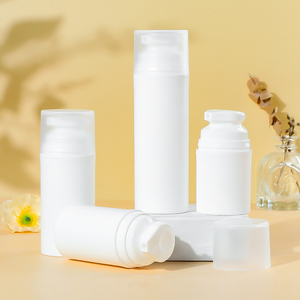
Eco-Friendly 15ml 30ml 50ml White Pet Plastic Empty Cosmetic Lotion Bottle with Airless Pump for Shampoo
Contact Us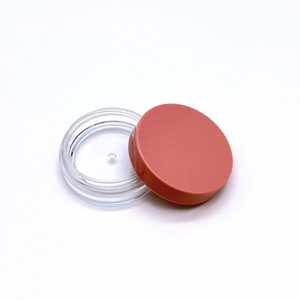
OMI Clear Solid Powder Cosmetic Container Blush Press Powder Case Recyclable Empty Customized Compact Foundation Case ABS
Contact Us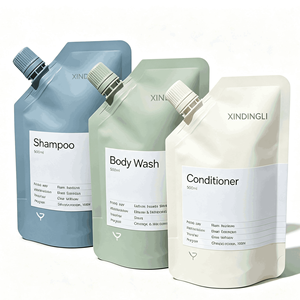
Custom Logo 500ml Matte Finish Eco Friendly BPA Free Leak Proof Stand up Shampoo Body Wash Conditioner Refill Spout Pouch
Contact Us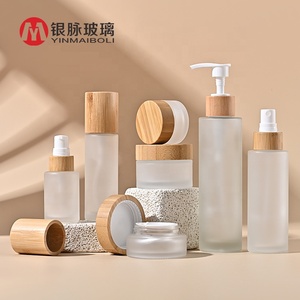
Cosmetics Bamboo Packaging Sets Empty Frosted Glass Cream Jar And Pump Spray Skin Care Set Face Cream Lotion Bottle
Contact Us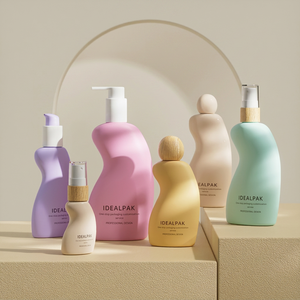
Eco-Friendly Custom Luxury Pink Shampoo Bottle 30ml-250ml Custom Empty Baby PET Personal Care Packaging Wholesale
Contact Us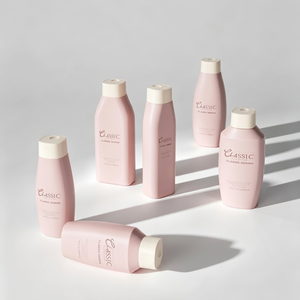
Eco-Friendly 300ml 500ml HDPE Plastic Bottles For Shampoo Conditioner Luxury Cosmetic Packaging Flip Top Cap Silk Screen
Contact Us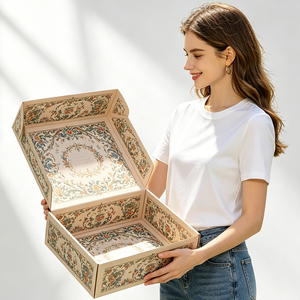
Eco-friendly Rigid Cardboard Mailer Printed Logo Biodegradable Waterproof for Skincare Beauty Eco-conscious Shipping Packaging
Contact Us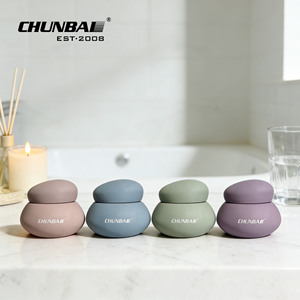
Customized Color Logo Matte Empty Plastic Skincare Container Cosmetic Cream Packaging Unique Sugar Scrub Body Butter Jars
Contact UsEnterprise Core Capabilities & Manufacturing Strengths
Combining 35+ years of turnkey contract manufacturing heritage with state-of-the-art sustainable packaging engineering for global beauty brands.
ISO 22716 & cGMP Quality Assurance
Certified under European ISO 22716 standards, our production infrastructure subjects every packaging batch to rigorous vacuum testing, stress-crack evaluation, and compatibility protocols, ensuring absolute formulation protection without leakage or degradation.
RSPO & Ethical Supply Chain
As a verified Roundtable on Sustainable Palm Oil (RSPO) Supply Chain Partner and cruelty-free manufacturer, we enforce strict ethical sourcing across all raw resins, post-consumer materials, and outer cardboard shipping solutions.
Full Turnkey OEM/ODM Engineering
From custom press dies and proprietary injection molds to high-speed liquid filling, labeling, and retail display integration—our end-to-end turnkey capability slashes product launch cycles by up to 35% for global DTC brands.
Executive Whitepaper: The Strategic Evolution of Sustainable Cosmetics Packaging in Global Supply Chains
The global cosmetics packaging sector is undergoing a profound structural shift. Driven by aggressive international regulatory frameworks—such as the European Union’s Packaging and Packaging Waste Regulation (PPWR), extended producer responsibility (EPR) mandates, and North American state-level plastic reduction laws—beauty brands can no longer treat packaging as a secondary consideration. Modern consumer intent and search analytics confirm that eco-friendliness, refillability, and non-toxic material purity now directly dictate customer acquisition costs, brand loyalty, and retail shelf placement.
As a leading China sustainable cosmetics packaging manufacturer and exporter backed by over 35 years of industrial engineering, our facility bridges the gap between high-end aesthetic demand and stringent environmental compliance. This whitepaper analyzes the key procurement shifts, material innovations, and regulatory compliance standards shaping global beauty sourcing for 2026 and beyond.
1. Future Procurement Trends: Beyond Greenwashing to Measurable Circularity
Procurement officers and cosmetic brand directors are moving away from surface-level eco-marketing toward verifiable, science-backed material standards. When sourcing from tier-1 Chinese packaging exporters, top global brands are prioritizing three primary technical criteria:
- High-Percentage PCR Resin Integration (Post-Consumer Recycled Plastics): Sourcing PET, HDPE, and PP containers containing 30% to 100% certified post-consumer recycled content. Advanced mechanical recycling technologies now eliminate yellowing and scent contamination, achieving food-grade and medical-grade purity suitable for organic lotions, serums, and baby care formulations.
- Monomaterial Architecture for Closed-Loop Recyclability: Traditional lotion pumps often utilize stainless steel internal springs, glass balls, and mixed plastic collars (POM, PP, PE), rendering them non-recyclable in standard municipal facilities. The industry standard is shifting rapidly to 100% Polypropylene (PP) or Polyethylene (PE) monomaterial pumps and closures that can be recycled in a single waste stream without dismantling.
- Refillable and Pod-Based Cartridge Systems: High-end luxury compacts, airless bottles, and cream jars are increasingly engineered around reusable outer shells (crafted from heavy-wall glass, aluminum, or durable ABS) paired with lightweight, low-cost replaceable inner pods. This architecture reduces long-term plastic usage by up to 75% while driving high customer lifetime value (LTV) through repeat pod purchases.
2. Material Science Breakdown: Comparing Sustainable Packaging Substrates
Selecting the correct resin or material substrate requires balancing chemical compatibility, vapor barrier integrity, transparency, and mechanical durability. The technical comparison matrix below highlights the performance parameters of top sustainable packaging options manufactured in our ISO 22716 certified facilities:
| Material Type | Primary Eco-Benefit | Chemical Compatibility | Moisture & Oxygen Barrier | Ideal Beauty Application |
|---|---|---|---|---|
| PCR-PET | Up to 100% post-consumer content; fully recyclable | Excellent (Essential oils, alcohol, actives) | High | Serums, Micellar Water, Shampoos, Lotions |
| HDPE (Monomaterial) | 100% recyclable, high impact strength | Superior (Acids, surfactants, high pH) | Very High | Body Washes, Conditioners, Bulk Skincare |
| Frosted Glass + Bamboo | Infinite glass recyclability + renewable bamboo outer | Absolute inertness (Zero leaching) | Maximum (Impermeable) | Luxury Anti-Aging Creams, Facial Oils |
| Spout Pouches (PE/EVOH) | 80% reduction in plastic mass vs. rigid bottles | Good for liquid formulations | High (With EVOH barrier layer) | Refill Packs for Shampoos & Hand Washes |
| FSC Paperboard Mailers | 100% Biodegradable & Ocean-Safe Compostable | N/A (Secondary/Tertiary Shipping) | Water-Resistant Coating | Eco-Conscious E-Commerce DTC Packaging |
3. Product Development Trends: Technical Engineering Innovations
As cosmetics formulations evolve to eliminate synthetic preservatives and embrace waterless or clean-ingredient philosophies, packaging mechanics must advance in tandem. Key engineering breakthroughs emerging from China’s leading packaging innovation hubs include:
A. Metal-Free All-Plastic Airless Dispensing: Next-generation airless bottles employ patented plastic spring engines made entirely of elastomeric Polyolefin. By removing the metal spring from the fluid pathway, formulations are protected against oxidation and metallic catalytic reaction, while the entire assembly gains 100% monomaterial recycling status.
B. Lightweight Wall Thinning & Structural Ribbing: Precision injection-molding tooling allows manufacturers to shave off 15% to 30% of plastic weight per unit without sacrificing structural column strength or drop-impact resistance. Internal finite element analysis (FEA) ensures that lightweighted bottles withstand vacuum pressure during high-altitude air transport.
C. Bio-Based Polymers (Sugarcane PE & PHA): Bio-derived Polyethylene derived from sugarcane ethanol absorbs CO2 during crop growth, resulting in a carbon-negative material footprint. Polyhydroxyalkanoates (PHA), synthesized via natural bacterial fermentation, offer marine-biodegradable properties that naturally decompose in soil or ocean environments within 180 days should leakage occur in waste systems.
4. Vetting Chinese Packaging Factories: Quality Control & Audit Standards
To safeguard brand reputation and eliminate costly product recalls, beauty brand procurement teams must conduct rigorous factory audits. A premier China exporter must demonstrate technical expertise across the following four quality pillars:
- ISO 22716 & cGMP Facility Compliance: Dust-free Class 100,000 cleanrooms for packaging assembly and filling prevent microbial contamination and airborne particulate deposition during production.
- Vacuum Leakage & Pressure Testing: Packaging samples must undergo -0.08 MPa vacuum chamber testing for 30 minutes to verify seal integrity across lotion pumps, flip caps, and dropper assemblies.
- Compatibility & Accelerated Aging Chamber Tests: Subjecting filled containers to 45°C and 75% relative humidity over 90 days ensures that formulas do not cause plastic swelling, stress cracking, color leaching, or pump clogging.
- Surface Decoration Durability: Silk-screen printing, hot foil stamping, and matte spray coatings undergo 3M tape cross-hatch adhesion testing and alcohol rub resistance tests to ensure branding remains pristine under bathroom humidity.
Frequently Asked Sourcing Questions (FAQ)
Clear, technical answers to common queries faced by procurement directors, brand owners, and supply chain managers.
Q: What is the typical Minimum Order Quantity (MOQ) for custom PCR cosmetics packaging?
Standard MOQs for custom-colored or high-percentage PCR plastic bottles and airless pumps range from 5,000 to 10,000 units depending on the container capacity and decoration requirements. Stock colors with standard eco-friendly pumps can often be ordered starting at 3,000 units.
Q: Can PCR (Post-Consumer Recycled) plastic match the clarity of virgin PET?
Yes. Modern multi-stage washing, optical sorting, and advanced decontamination processes yield PCR-PET with optical transparency nearly indistinguishable from virgin PET. We offer up to 100% PCR options that pass all visual haze and color consistency benchmarks.
Q: How do monomaterial lotion pumps differ from conventional cosmetic pumps?
Conventional pumps contain internal metal springs, glass balls, and multiple distinct plastic resins that require manual disassembly before recycling. Monomaterial pumps are constructed 100% from Polypropylene (PP) or Polyethylene (PE), including plastic springs, allowing consumers to throw the entire bottle into recycling bins without separation.
Q: How do you guarantee formula compatibility with eco-friendly bio-plastics?
We execute 30 to 90-day accelerated stability and migration testing in environmental control chambers (testing temperature ranges from -20°C to 50°C). We evaluate mass loss, dimension variance, color change, viscosity shifts, and pump output stability to guarantee absolute formula safety.
Q: What international certifications are provided for export compliance?
Our packaging facilities provide full compliance documentation including ISO 22716 (cGMP), RSPO supply chain certificates, FDA raw material compliance, REACH compliance, EU 10/2011 food-contact safety reports, and GRS (Global Recycled Standard) certification for all PCR materials.
Q: What custom surface branding techniques are eco-friendly?
We utilize soy-based organic inks, water-borne UV coatings, laser engraving (especially for natural bamboo surfaces), and low-VOC silk-screen printing. These methods ensure vivid logo crispness while preserving the recyclability and compostability of the container substrate.