
1. Industrial Precision Engineering in Cosmetic Packaging & Press Mold Manufacturing
In the hyper-competitive global beauty market, the structural integrity and aesthetic perfection of primary packaging—ranging from high-end mascara tubes, lipstick bullets, compact powder pans, to liquid eyebrow pens—are entirely dictated by the precision of custom mold tooling. As a premier precision cosmetic mold tooling manufacturer and factory network, our engineering paradigm integrates advanced metallurgy, high-speed CNC micromachining, electrical discharge machining (EDM), and computer-aided moldflow simulation (CAE) to solve complex mechanical challenges inherent to mass cosmetic production.
Precision cosmetic mold tooling operates at microscopic tolerances. Unlike standard consumer goods molding, cosmetic packaging requires seamless visual aesthetics without parting line flaws, sink marks, or flash, combined with strict dimensional accuracy. A variance of just 0.005mm in a mascara wiper mold cavity can lead to formula leakage, stem drag degradation, or atmospheric oxidation of sensitive peptide serums. Consequently, Tier-1 beauty conglomerates require mold tooling engineered from hardened Swedish S136 or Japanese NAK80 stainless steel, capable of maintaining ultra-tight tolerances across multi-million cycle runs.
Information Gain Insight: Modern cosmetic mold fabrication must bridge the gap between complex rheological formula behaviors (such as shear-thinning silk fiber mascaras) and plastic shrinkage differentials. Precision mold insert venting and conformal copper-alloy cooling channels reduce cycle times by up to 28% while guaranteeing 100% hermetic cap sealing.
Core Metallurgical Standards for High-Cavitation Cosmetic Molds
To withstand continuous high-pressure injection molding of polymers like SAN, ABS, PETG, PMMA, and Post-Consumer Recycled (PCR) resins, selecting the appropriate tool steel is paramount. Our manufacturing facilities leverage premium-grade steels treated through vacuum heat processes to achieve working hardness levels of HRC 48–54:
2. Enterprise Legacy & Turnkey Contract Manufacturing Capabilities
Rooted in a rich 35-year tradition of excellence, Classic Cosmetics Inc. (established 1988 in Chatsworth, California) represents the pinnacle of American cosmetic formulation and turnkey manufacturing synergy. As an audited and approved Global Supply Chain Partner for prestigious international beauty houses, DTC disruptors, and influencer brands, Classic Cosmetics bridges raw mold engineering with finished commercial products.
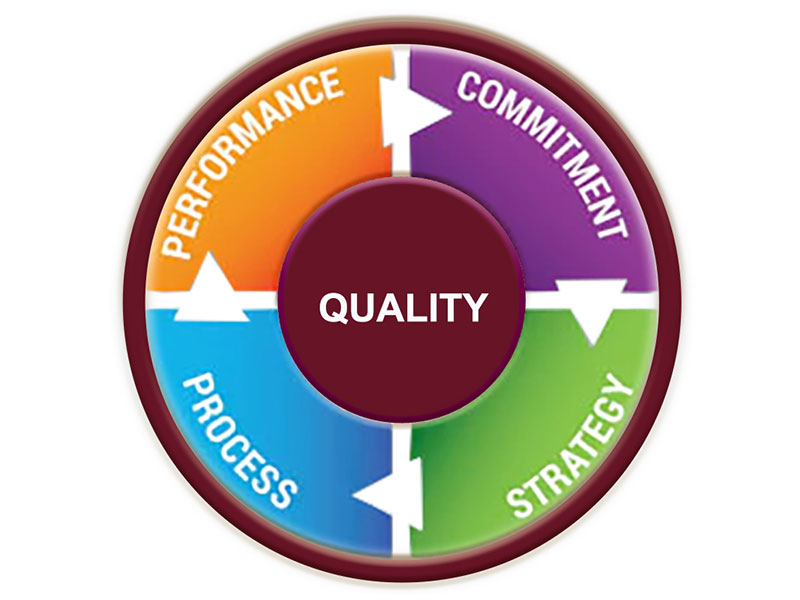
End-to-End Turnkey Ecosystem: From Tooling to Bulk Filling
Classic Cosmetics operates state-of-the-art cGMP facilities certified under European ISO 22716:2007 standards. By seamlessly harmonizing custom press die fabrication, mold tooling validation, advanced R&D chemical engineering, and automatic filling lines, we remove supply chain friction. Our dedicated quality assurance team enforces rigid optical metrology and torque testing across all molded component assemblies.
 ISO 22716 cGMP
 RSPO Partner
 Made in California
Whether formulating luxurious silk-fiber mascaras, peptide lash serums, long-wearing 24-hour liquid brow setters, or custom hot-pour lipsticks, our deep vertical integration guarantees that plastic injection mold dimensions align seamlessly with liquid viscosity, fill-line pressures, and bulk chemistry preservation.
3. Specialized Tooling Categories & Technical Recommendations
Every cosmetic formulation presents distinct physical and chemical dynamics. Below is a deep-dive analysis of specialized mold tooling configurations engineered by our factory network to optimize production performance:
A. Mascara & Brow Liquid Packaging Tooling (Wiper & Stem Micro-Concentricity)
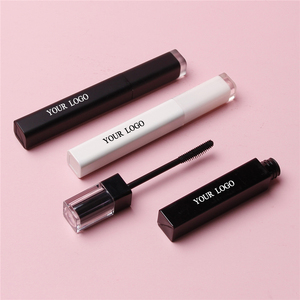
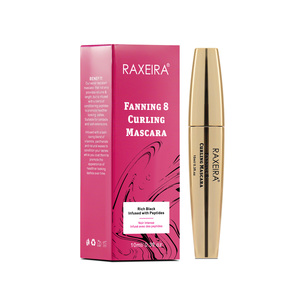
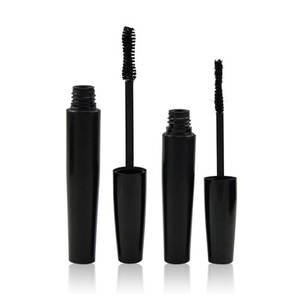
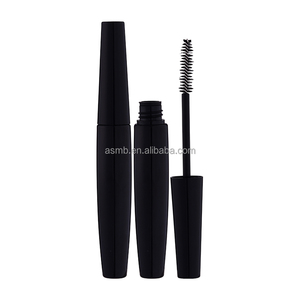
Mascara systems demand flawless interaction between three injection-molded components: the bottle, the elastomer wiper, and the brush stem. A offset concentricity exceeding 0.03mm results in uneven formula scraping, clumped application, or premature drying.
- Micro-Injected Elastomer Wipers: Liquid Silicone Rubber (LSR) or Thermoplastic Elastomer (TPE) mold cavities machined via micro-EDM to form razor-sharp wiping orifice lips.
- Core-Pulling Threaded Caps: Automatic unscrewing hydraulic motor cores engineered into 32-cavity molds to ensure clean, flash-free continuous threads for smooth consumer closure torque.
- Fiber-Infused Formula Resistance: Chrome-plated mold cores designed to resist abrasive nylon, silk, or 4D ray-fiber particles contained in volumizing mascara creams.
B. Custom Metal Press Dies & Powder Compact Tooling
Powder compact manufacturing requires specialized metallurgy for high-pressure press dies. Pressing pressed powders, blushes, and highlighters involves multi-stage compaction forces (up to 15 bar). Tooling must feature:
- Tungsten Carbide Press Inserts: Eliminates surface wear and micro-scratches caused by mica, talc, and synthetic fluorphlogopite minerals.
- Vacuum Air Evacuation Slots: Integrated sub-micron air vents within the punch die to prevent air-trapping, which causes powder cracking and drop-test failure.
- Embossed Logo Detailing: 3D laser-engraved punch faces engineered to transfer precise brand iconography onto the pressed powder cake without dragging.
C. Silicone Lipstick Bullet Molds & Hot-Pour Tooling
For creamy, satin, and matte lipstick manufacturing, the shape, shine, and structural stability of the lipstick tip depend on precision aluminum or silicone matrix tooling:
- CNC Mirror-Milled Aluminum Molds: High-grade aviation aluminum (7075-T6) anodized with Teflon coatings for instantaneous thermal release during liquid-to-solid phase transition.
- Multi-Piece Split Bullet Tooling: Split-cavity architecture designed for complex teardrop, bevel, or custom geometric tip profiles, ensuring 0% seam lines on the finished cosmetic bullet.
4. Technical Specifications & Tooling Performance Matrix
The table below outlines standard tooling specifications, cavity configurations, steel grades, and operational lifespans provided across our precision cosmetic manufacturing lines:
| Tooling Category | Primary Steel Material | Machining Tolerance | Cavitation Range | Expected Mold Life | Target Cosmetic Application |
|---|---|---|---|---|---|
| Mascara Vial & Cap Mold | Swedish Assab S136 (HRC 50-52) | ±0.002 mm | 16 / 32 / 64 Cavities | 3,000,000 Shots | Waterproof / 4D Silk Fiber Mascara Packaging |
| Precision Stem Wiper Die | TPE / LSR Specialized Mold Steel | ±0.0015 mm | 32 / 64 Cavities | 5,000,000 Shots | Lash Growth Serums & Eyebrow Setting Gels |
| Compact Powder Press Die | Tungsten Carbide / H13 Steel | ±0.003 mm | 4 / 8 / 12 Cavities | 2,000,000 Strokes | Pressed Powder, Eyeshadow, Highlighter Pans |
| Lipstick Silicone Bullet Mold | Aviation Aluminum 7075-T6 | ±0.005 mm | 50 / 100 Cavities | 500,000 Cycles | Creamy, Satin, Matte Hot-Pour Lipsticks |
| Liquid Brow Pen Dual Barrel | Makino High-Speed NAK80 | ±0.0025 mm | 16 / 32 Cavities | 3,000,000 Shots | 24H Long-Wearing Liquid Eyebrow Pencils |
5. Future Sourcing & Procurement Trends in Cosmetic Tooling (2025–2030)
As the beauty industry accelerates toward environmental accountability, circular economy models, and smart manufacturing, brand procurement managers must align with mold suppliers capable of navigating four major structural shifts:
Trend 1: Thermal Adaptation for Post-Consumer Recycled (PCR) Resins
Transitioning from virgin PET/ABS to 50%–100% PCR resins presents severe tooling challenges. PCR resins exhibit inconsistent Melt Flow Index (MFI) and higher batch-to-batch volumetric shrinkage variances. Advanced mold factories are retrofitting hot runner systems with localized PID temperature sensors and variable cavity valve gates to instantly adjust injection pressures, preventing sink marks and aesthetic flow lines.
Trend 2: Monomaterial Packaging Precision Alignment
To achieve 100% recyclability without component disassembly, brands are demanding single-material packaging (e.g., all-Polypropylene mascara assemblies including bottle, cap, wiper, and rod). Manufacturing monomaterial systems requires extreme mold precision because PP exhibits higher shrink rates than traditional SAN or ABS. Precision mold steel inserts must be shrink-compensated using 3D Moldflow FEA simulation before steel cutting.
Trend 3: Conformal Cooling via Metal 3D Printing (DMLS)
Direct Metal Laser Sintering (DMLS) allows mold engineers to print internal cooling channels that follow the exact geometric contour of complex cosmetic caps and bottle necks. Conformal cooling ensures uniform heat extraction, eliminating internal thermal stresses, reducing cycle times by up to 30%, and drastically lowering energy consumption per molded unit.
Trend 4: Industry 4.0 IoT Cavity Pressure Monitoring
High-cavitation tooling is increasingly integrated with piezoelectric cavity pressure sensors. Real-time data streams monitor viscosity fluctuations, instant clamping force variations, and gate freeze points. Out-of-spec parts are automatically ejected downstream, guaranteeing 100% defect-free shipments to contract filling lines.
6. Frequently Asked Questions (B2B Procurement & Engineering)
Partner with the Industry's Leading Mold Tooling Engineers
Elevate your cosmetic brand's packaging precision, structural reliability, and production scalability. Request a detailed engineering consultation and mold manufacturing quotation today.