Engineered in Chatsworth, California Since 1988
Classic Cosmetics Inc. operates an ISO 22716 cGMP certified, RSPO-approved, 100% cruelty-free manufacturing facility equipped with dedicated toolmakers, mechanical engineers, and R&D cosmetic chemists. We bridge the gap between high-concept brand aesthetics and ultra-precise industrial mold engineering.
1. Strategic Importance of Custom Cosmetic Mold Fabrication in Modern Beauty Procurement
In the highly competitive global beauty landscape, product performance is inextricably tied to manufacturing precision. While formulation chemistry establishes pigment pay-off, skin-feel, and longevity, Custom Cosmetic Mold Fabrication is the physical backbone that turns bulk cosmetic mass into a commercial masterpiece. Global procurement directors, brand founders, and supply chain executives frequently encounter critical operational bottlenecks when relying on standard off-the-shelf stock dies or generic tooling. Generic molds frequently lead to inconsistent fill weights, edge cracking in pressed powders, flashing in lipstick bullets, and poor release rates on automated packaging lines.
Custom cosmetic mold fabrication represents the intersection of CAD/CAM mechanical engineering, metallurgy, thermodynamics, and rheology. Whether developing intricate 3D embossed highlighter pans, drop-bullet satin lipsticks, back-injected slurry eyeshadow palettes, or custom silicone-tipped lip balm molds, bespoke tooling guarantees batch-to-batch repeatability, pristine aesthetic finishes, and maximized throughput during high-speed production runs.
At Classic Cosmetics Inc., our decades of specialized contract manufacturing experience in Southern California have established that investing in high-precision, proprietary tooling yields measurable ROI. By eliminating mechanical tolerances down to micro-inch parameters (±0.005mm), our custom press dies and molds significantly reduce reject rates, preserve formula integrity, and empower beauty brands to introduce unique geometric silhouettes that stand out on retail shelves and social feeds.
Uncompromising Micro-Tolerance Tooling Standards
Our ISO 22716 cGMP quality framework extends into our tooling validation protocols. Every custom die, cavity plate, and pressing head undergoes full coordinate measuring machine (CMM) dimensional verification before mounting onto our automated production presses. This guarantees seamless integration between formulation and physical componentry.
Get Catalog2. Technical Classifications & Engineering Specifications of Custom Molds
Cosmetic mold fabrication requires distinct structural designs depending on the physical state of the formulation—dry powder, wet slurry, hot-pour anhydrous wax, or liquid emulsion. Global sourcing teams must evaluate specific metallurgical and structural characteristics when specifying custom tooling:
A. High-Precision Powder Press Dies & Punching Molds
Pressed powders—including blushers, bronzers, highlighters, and eye shadows—demand rigid tooling capable of withstanding hydraulic compaction pressures ranging from 300 to 1,500 PSI. Custom press dies are engineered with specialized evacuation vents to allow entrapped air to escape without blowing out the micro-fine binder particles.
- Surface Relief & 3D Embossing: Laser-etched punch heads created directly from 3D vector graphics enable intricate brand logos, quilted textures, or multi-dimensional floral patterns directly pressed into the cosmetic mass.
- Slurry & Back-Injection Dies: Engineered for wet-process powders, these specialized molds feature porous ceramic or micro-perforated steel plates that draw out liquid solvents under vacuum while compressing the pigment matrix into aluminum pans.
B. Hot-Pour Lipstick & Balm Silicone Mold Cavities
Achieving a mirror-like finish on cream, satin, or matte lipstick bullets requires multi-cavity split molds or flexible high-tear silicone liners. Custom mold geometry dictates not only the bullet's aesthetic tip shape (slanted teardrop, square cut, bullet spiral) but also structural core strength to prevent snapping upon mechanical swivel extension.
- Aircraft-Grade Aluminum (7075-T6): CNC-machined split aluminum molds offer superior thermal conductivity for ultra-fast cooling cycles in automated cooling tunnels.
- Platinum-Cured Liquid Silicone Rubber (LSR): Bespoke LSR molds provide zero flash lines and flexibility required for complex undercuts, enabling architectural bullet shapes impossible with rigid metal tooling.
| Mold Category | Primary Alloys / Materials | Dimensional Tolerance | Typical Applications | Expected Production Lifespan |
|---|---|---|---|---|
| Powder Press Punch Dies | S136 Stainless Steel / D2 Tool Steel | ±0.005 mm | Compact powders, highlighters, blushes | 1,000,000+ press cycles |
| Hot-Pour Lipstick Molds | 7075-T6 Anodized Aluminum | ±0.008 mm | Bullet lipsticks, stick concealers | 500,000+ pour cycles |
| Flexible Bullet Liners | Platinum-Cured LSR Silicone | ±0.015 mm | Embossed lipsticks, complex geometries | 50,000 – 100,000 cycles |
| Slurry Back-Injection Assemblies | Micro-Porous Stainless & Ceramic | ±0.010 mm | Hybrid gel-powders, wet-pressed shimmers | 750,000+ press cycles |
3. Global Sourcing & Procurement Trends in Cosmetic Tooling (2026–2030)
As beauty procurement shifts toward agile, sustainable, and data-driven supply networks, global brands must align their tooling strategies with emerging market forces. Based on operational data from our Chatsworth manufacturing center, four pivotal trends are reshaping custom cosmetic mold fabrication:
1. Integration with Sustainable & PCR Packaging Ecosystems
The rapid transition from single-use virgin plastics to Post-Consumer Recycled (PCR) resins, aluminum pans, and refillable compact systems directly impacts mold fabrication. PCR materials exhibit higher shrinkage rates and thermal variation compared to virgin resins. Tooling engineers must calculate custom cavity shrinkage allowances (often between 0.4% and 0.8% depending on resin blends) to ensure pressed metal pans snap perfectly into refillable outer compacts without loosening over time.
2. Rapid AI-Assisted CAD Prototyping & Simulation
Advanced finite element analysis (FEA) and computational fluid dynamics (CFD) are now utilized prior to cutting metal. Mold designers simulate powder flow pressure distribution, wax melt thermal solidification, and gate shear rates. This predictive modeling reduces prototype iterations from months to days, drastically shortening Time-to-Market (TTM) for influencer and indie beauty brand launches.
3. Modular Cavitation & Quick-Change Tooling Inserts
High-volume brands require flexibility to switch between multiple product lines without incurring full tooling costs for every SKU. Modern mold architectures utilize standardized master die bases paired with modular, quick-change cavity inserts. Brands can swap out individual 3D logo dies or bullet tips within 15 minutes on the production floor, minimizing line downtime and low-volume batch penalties.
4. Reshoring Sourcing Security & Intellectual Property Protection
Recent global supply disruption has highlighted the vulnerabilities of relying solely on overseas mold fabricators. Procurement executives increasingly prioritize North American manufacturing partners who maintain full in-house tooling capabilities. Fabricating custom dies domestically eliminates international shipping delays, avoids unpredictable tariffs, and safeguards proprietary shape patents and trade secret formulations under strict U.S. legal protections.
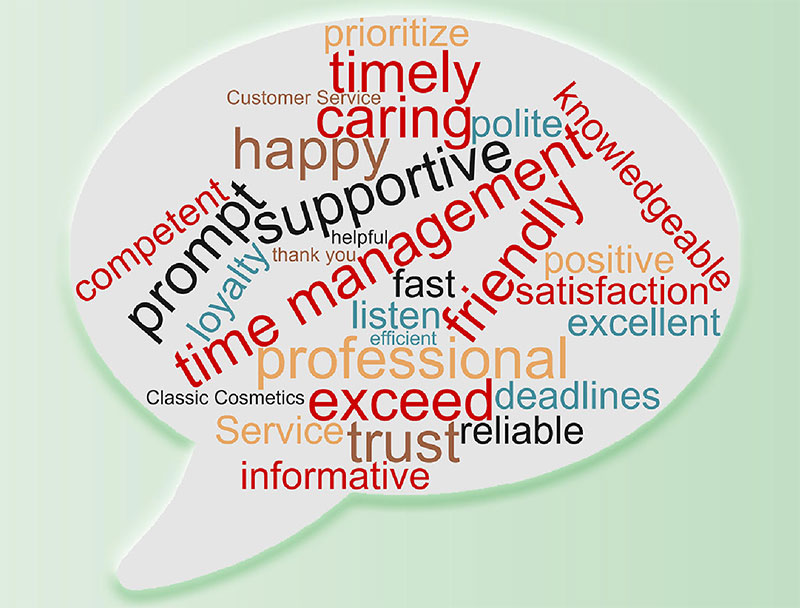
Collaborative Tooling Development & Technical Support
From initial napkin sketches to 3D solid rendering, sample pressings, and pilot batch validation, our customer success and engineering teams guide your procurement team through every metallurgical, aesthetic, and financial consideration. We serve as a seamless extension of your R&D department.
Get Catalog4. Industry Trends: Sculptural Aesthetics & Hybrid Formulation Mold Compatibility
Product innovation in color cosmetics is heavily driven by tactile and visual sensory experiences. Consumer expectations in 2026 demand complex visual storytelling embedded directly into the physical product surface. Custom mold fabrication serves as the primary enabler for these breakthrough market categories:
- 3D Sculptured Highlighters & Multi-Shade Pan Geometry: Traditional single-plane press tooling has evolved into complex multi-level die sets capable of compacting up to five distinct pigment shades simultaneously without cross-color bleeding. Micro-textured surface treatments break light at specific angles, creating holographic reflections in the pressed mass.
- Cream-to-Powder Hybrid Matrix Mold Design: Formulations that bridge liquid creams and dry powders require customized press tooling with variable compression stroke speeds and temperature-controlled die platens. Tooling must heat during initial compaction to activate binder waxes and immediately cool to set the crystalline structure.
- Ergonomic & Architectural Lipstick Bullets: The classic tear-drop lipstick tip has expanded into geometric faceted pillars, curved wave forms, and dual-core co-extruded designs. Custom silicone mold tooling allows for undercuts and negative draft angles that were previously impossible to strip from standard two-piece aluminum molds.
Information Gain: Metallurgy & Surface Finish Impact on Formula Yield
Did you know? Selecting mirror-polished S136 stainless steel with a surface roughness of Ra < 0.05 μm reduces surface friction by 40% during powder compression. This eliminates the need for excess synthetic release agents in your formulation, preserving a clean label and boosting color payoff.
5. Why Leading Global Brands Partner with Classic Cosmetics Inc. for Custom Tooling
Founded in 1988, Classic Cosmetics Inc. has spent over three and a half decades building an industry-wide reputation for excellence in turnkey contract manufacturing and custom tooling engineering. Operating out of our modern facility in Chatsworth, California, we serve global beauty conglomerates, fast-growing direct-to-consumer labels, and top-tier influencer brands.
Our Operational Core Competencies:
- Complete Turnkey Integration: Unlike standalone mold shops that lack cosmetic formula insight, or formula manufacturers that outsource tooling to third parties, Classic Cosmetics unites formula chemistry, component sourcing, custom mold fabrication, filling, and final assembly under one roof.
- ISO 22716 cGMP Certified Excellence: Our manufacturing facility operates under rigorous European ISO 22716 standards. Mold maintenance, sanitization, and cavity inspection protocols are fully documented to guarantee strict regulatory compliance for US, EU, and Asian distribution.
- RSPO Supply Chain & Cruelty-Free Commitment: We are proud to be a certified Supply Chain Partner of the Roundtable on Sustainable Palm Oil (RSPO) and 100% committed to cruelty-free product development. Our custom mold designs accommodate clean-beauty, vegan, and RSPO-compliant formulation matrices without performance compromise.
- In-House Tooling & Maintenance Department: Our on-site machine shop houses high-speed CNC milling centers, electrical discharge machining (EDM) equipment, and laser engraving units. Should a production mold require re-polishing, re-alignment, or cavity refurbishing, our master toolmakers complete maintenance in hours rather than weeks.
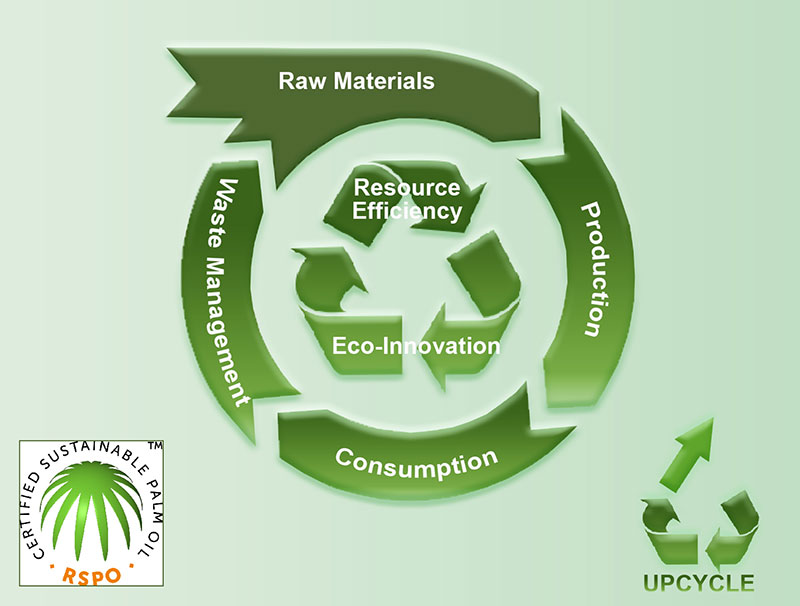
Eco-Conscious Tooling & Clean Beauty Compatibility
Our engineering team specializes in tooling designed for clean, bio-based, and RSPO-compliant formulas. We help brands transition away from non-recyclable components by custom engineering molds specifically tailored for aluminum pan recycling and biodegradable packaging formats.
Get Catalog