
Featured German-Market Ready OEM & Private Label Products
Formulated in accordance with European Cosmetic Regulation (EC) No 1223/2009, featuring microplastic-free fiber formulas, clean vegan peptide serums, and 24-hour long-wearing performance.
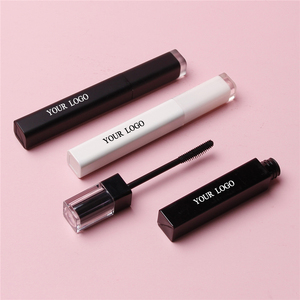
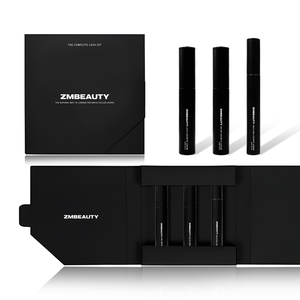
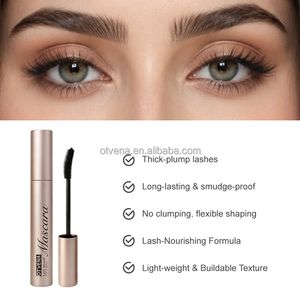
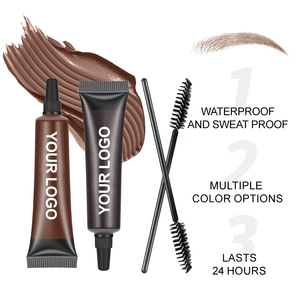
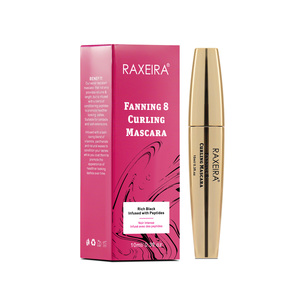
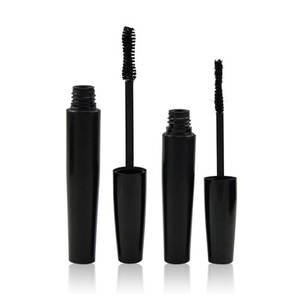
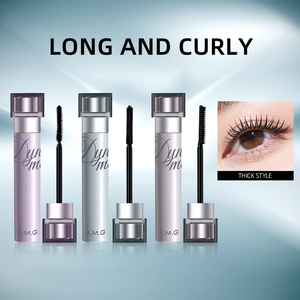
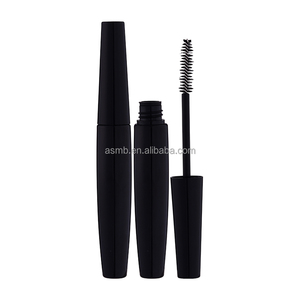
1. Executive Overview: Navigating the German Beauty Import Landscape
The German beauty and personal care market represents the largest cosmetic consumer base in Europe, generating over €14 billion annually. German consumers, renowned for their discerning standards regarding skin tolerance, environmental sustainability, and product safety, demand cosmetics that balance high performance with flawless ingredient transparency. For B2B brand owners, importers, and private label distributors in Germany—spanning from Berlin's indie DTC startups to established drugstore suppliers in Munich and Hamburg—sourcing high-quality white label eye makeup from China has shifted from a mere cost-efficiency strategy to a high-precision strategic partnership.
China's leading cosmetics OEM/ODM manufacturers have undergone a profound industrial transformation. Combining state-of-the-art automated production, advanced micro-dispersion pigment technology, and strict adherence to international quality management systems (such as ISO 22716 cGMP), Chinese exporters now power many of the world's most successful eye makeup brands. However, successfully penetrating the German market requires more than manufacturing capability; it requires rigorous alignment with EU chemical safety legislation, local consumer preferences, and specialized packaging compliance.
Key Strategic Pillars for Exporting White Label Cosmetics to Germany:
- Strict Regulatory Harmonization: Full alignment with EU Regulation (EC) No 1223/2009, including Product Information File (PIF) assembly, Safety Assessments by qualified EU toxicologists, and Cosmetic Products Notification Portal (CPNP) registration.
- Formulation Purity & "ÖKO-TEST" Readiness: Elimination of parabens, heavy metal impurities, prohibited phthalates, and microplastic synthetic polymers (complying with EU Regulation 2023/2055 restriction on synthetic polymer microparticles).
- Supply Chain Transparency & Ethical Sourcing: Verification of cruelty-free manufacturing status, RSPO-certified palm oil derivatives, and eco-friendly primary/secondary packaging options.
2. Localized Application Scenarios & Distribution Channels in Germany
To maximize retail sell-through and brand equity across the DACH (Germany, Austria, Switzerland) region, white label eye cosmetics must be engineered for specific localized retail channels and usage scenarios:
Bio-Drugstore Retail Chains (dm, Rossmann, Müller)
German drugstore giants place heavy emphasis on clean beauty, natural waxes, and hypoallergenic certifications. Products targeting this channel require gentle, botanical formulations (such as plant-derived carnauba and beeswax blends) that undergo stringent ophthalmological safety testing for contact lens wearers.
Indie E-Commerce & Social Commerce DTC
Germany's digital-native beauty brands in cities like Berlin require fast-turnaround batch production, high visual impact, and instant performance metrics (e.g., 4D lash extension mascara and dual-ended eyebrow tinting pens). Packaging must feature modern, minimalistic aesthetics with multi-language INCI labeling.
Professional Lash Salons & Aesthetic Studios
Professional lash artists and beauty salons require clinical-grade eyelash and eyebrow growth serums powered by synthetic peptides, biotinoyl tripeptide-1, and panthenol. These active formulations require rigorous stability testing and airtight airless container packaging to prevent active ingredient degradation.
3. Localized Market Trends & European Regulatory Compliance Benchmark
Importing cosmetic products into the European Union—and Germany specifically—is governed by some of the world's most rigorous chemical safety and consumer protection frameworks. China exporters and German importers must collaborate seamlessly to fulfill the following regulatory imperatives:
A. EU Cosmetics Regulation (EC) No 1223/2009
Every cosmetic product placed on the German market must have a designated Responsible Person (RP) established within the EU. The RP holds the legal responsibility for ensuring product safety and maintaining the official Product Information File (PIF). The PIF includes:
- Cosmetic Product Safety Report (CPSR): Divided into Part A (Product Safety Information) and Part B (Cosmetic Product Safety Assessment performed by an authorized EU toxicologist).
- Method of Manufacture: Compliance with ISO 22716 cGMP principles.
- Proof of Claimed Effects: Empirical clinical evidence for claims such as "24H Long-Lasting", "Waterproof", or "300% Volume Extension".
- Animal Testing Compliance: Complete declaration of non-animal testing status for ingredients and finished products, in strict adherence to the EU animal testing ban.
B. German BVL Guidelines on Impurities & Heavy Metals
The German Federal Office of Consumer Protection and Food Safety (BVL) publishes recommended technically avoidable contents for heavy metal impurities in cosmetics. Products manufactured in China must meet or surpass these stringent thresholds:
| Heavy Metal / Contaminant | EU Maximum Limit | BVL Target Limit (Germany) | Our Factory Benchmark Standard |
|---|---|---|---|
| Lead (Pb) | 20.0 ppm | ≤ 2.0 ppm | < 0.5 ppm (Ultra-Pure) |
| Arsenic (As) | 5.0 ppm | ≤ 0.5 ppm | < 0.1 ppm (Trace Level) |
| Mercury (Hg) | 1.0 ppm | ≤ 0.1 ppm | Undetectable (< 0.02 ppm) |
| Cadmium (Cd) | 5.0 ppm | ≤ 0.1 ppm | < 0.05 ppm |
| Nickel (Ni) | Sensitizer limit | ≤ 10.0 ppm | < 1.0 ppm (Hypoallergenic) |
C. Microplastics Ban & Sustainable Packaging Trends in Germany
In October 2023, the European Commission adopted measures restricting microplastics intentionally added to synthetic polymer microparticles. Traditional mascaras relying on non-biodegradable nylon or polyethylene fibers must be replaced by sustainable alternatives. Our R&D center has formulated next-generation silk fibers, cellulose-derived volumizing agents, and plant-based film-formers (such as acacia senegal gum and pullulan) that comply 100% with the latest EU microplastic bans.
4. Turnkey Manufacturing Excellence & Enterprise Strengths
With over 35 years of contract manufacturing heritage, our partner facility represents the pinnacle of OEM/ODM cosmetic manufacturing. Operating out of an ISO 22716-certified and RSPO-audited infrastructure, we specialize in bridging the gap between high-volume Chinese manufacturing scale and strict European compliance standards.
ISO 22716 & cGMP Certification
Our cleanroom production facilities adhere strictly to Good Manufacturing Practices (cGMP). Every batch undergoes rigorous microbiological testing, challenge testing (PET), and 45°C thermal stability testing prior to export dispatch.
Custom Molds & Tooling Precision
We house in-house mold development workshops capable of engineering proprietary brush geometry, silicone wiper apertures, and custom metal packaging dies to give your brand an uncopyable market identity.
Turnkey Regulatory Support
We eliminate regulatory friction by providing complete raw material MSDS, INCI breakdowns, heavy metal CoA certificates, and stability documentation required by European toxicologists for rapid CPNP filing.
5. Localized German Procurement FAQ (Frequently Asked Questions)
Addressing the critical technical, legal, and logistical questions posed by German cosmetics purchasing directors and brand founders:
Ready to Scale Your Beauty Brand in Germany?
Partner with China's premier ISO 22716 certified white-label cosmetic manufacturer. Request custom formulation samples, regulatory dossiers, and competitive wholesale pricing tailored for European market success.